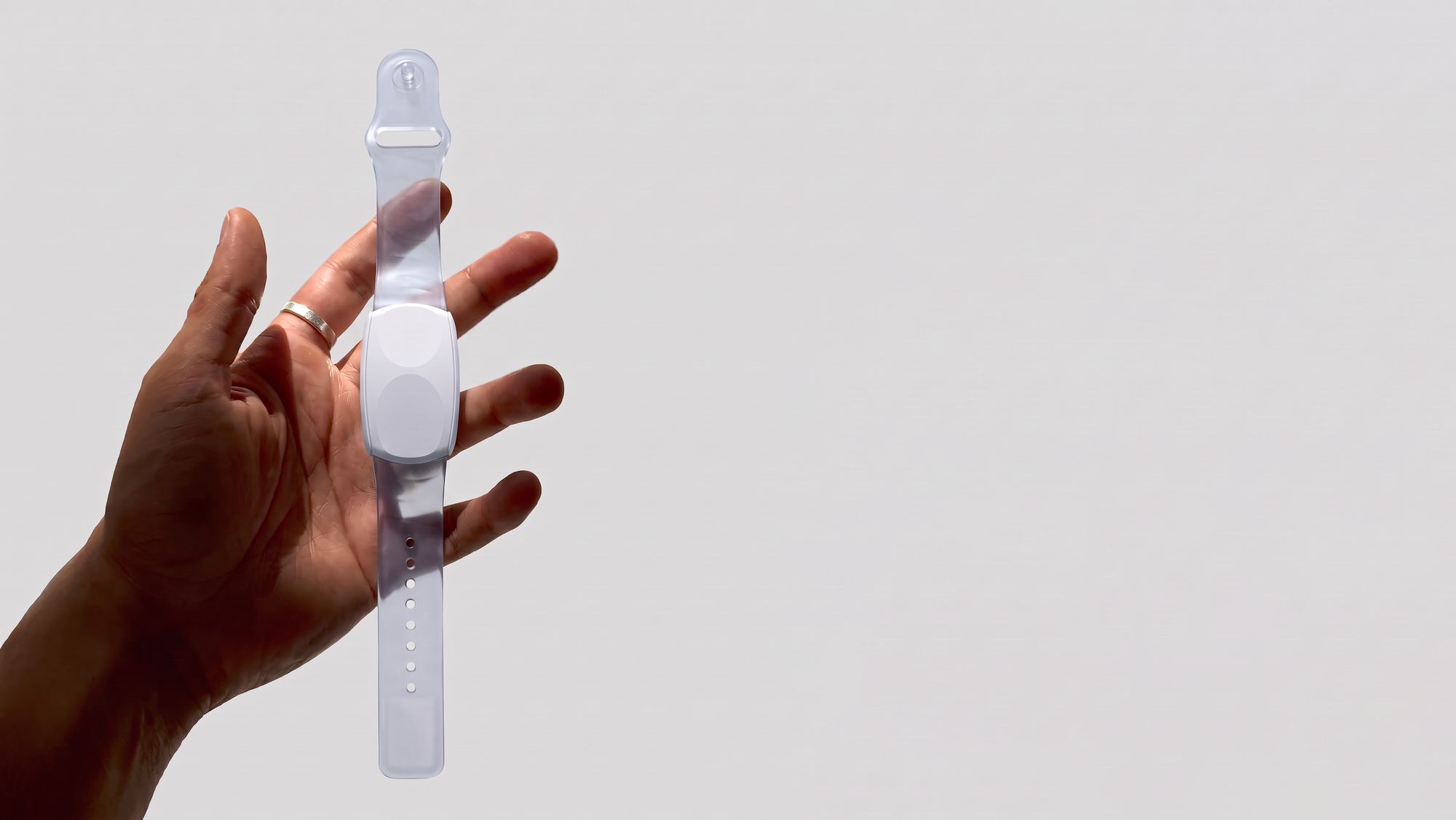
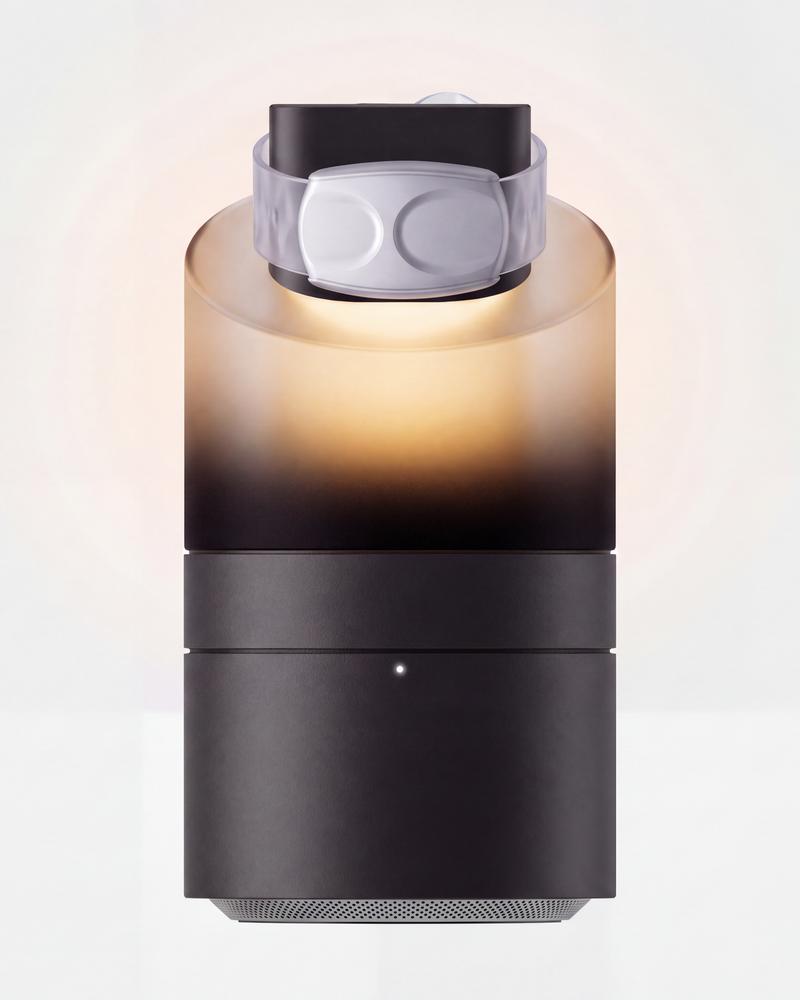
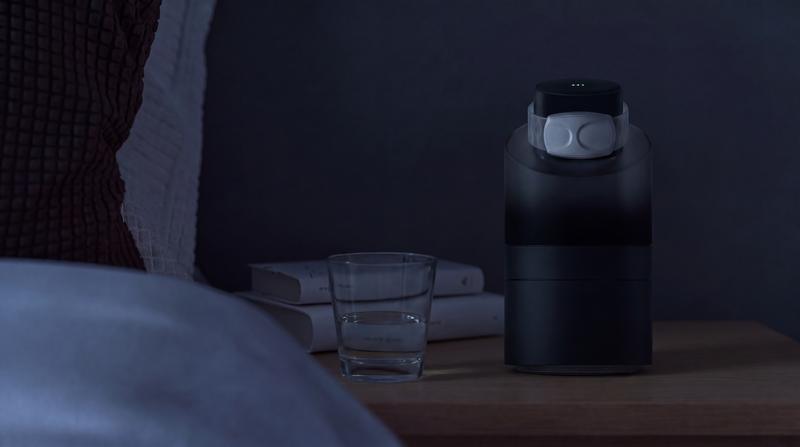
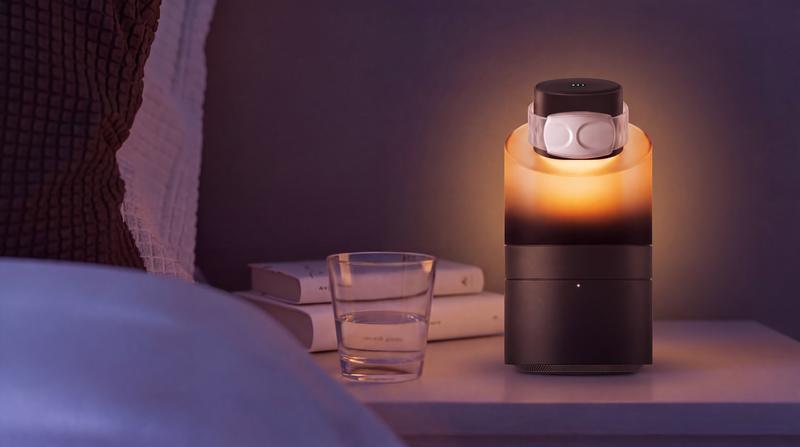
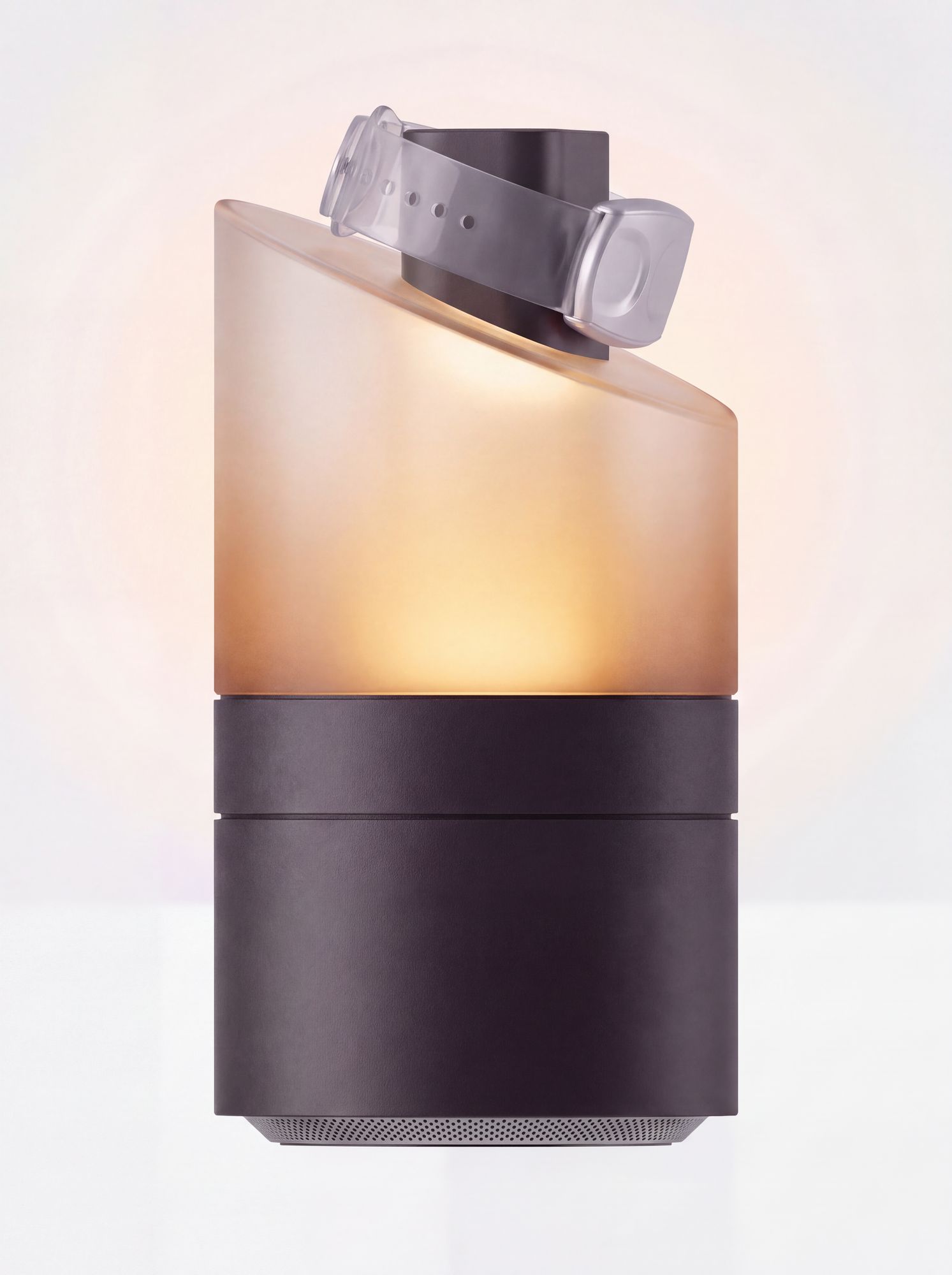
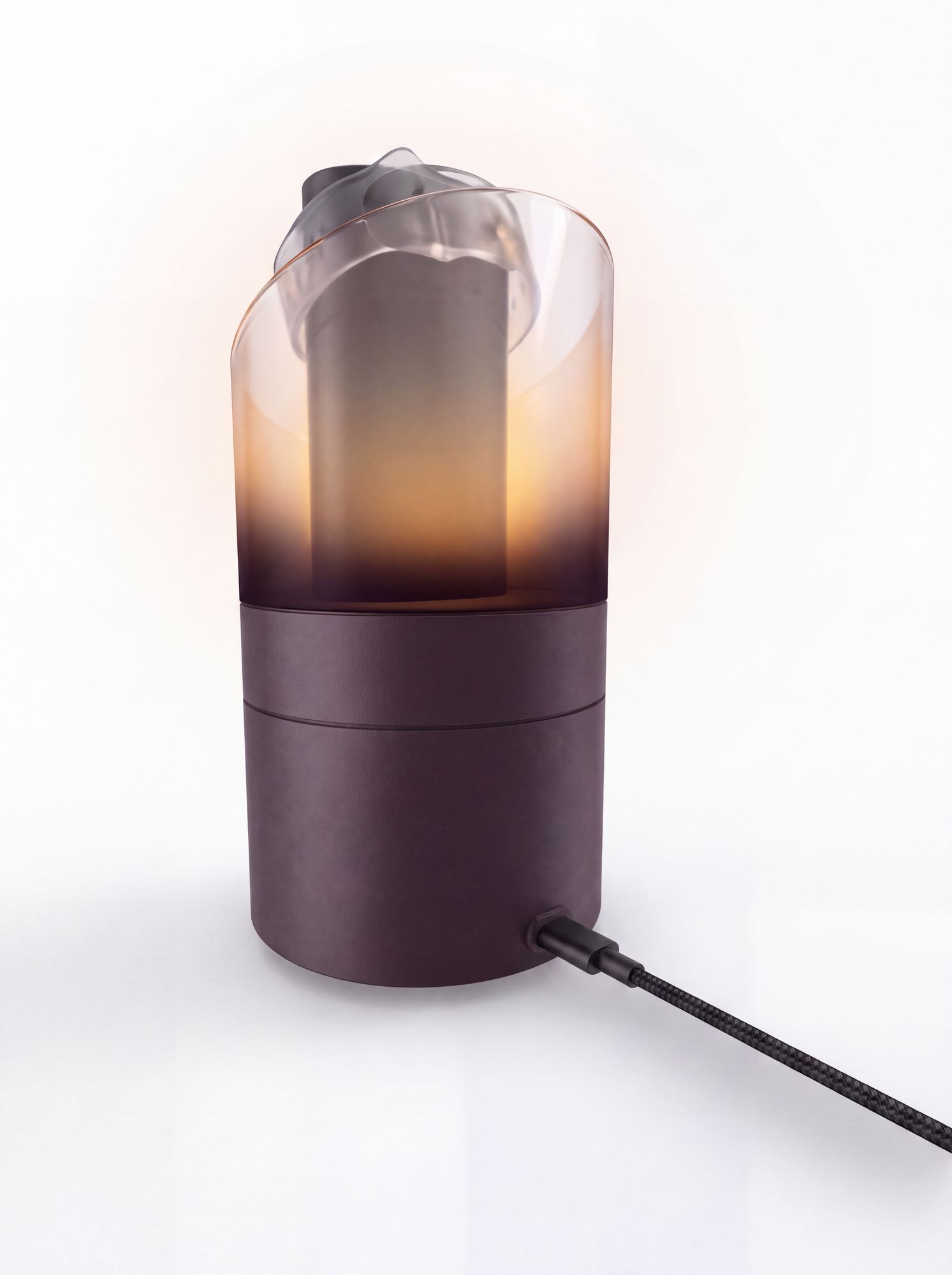
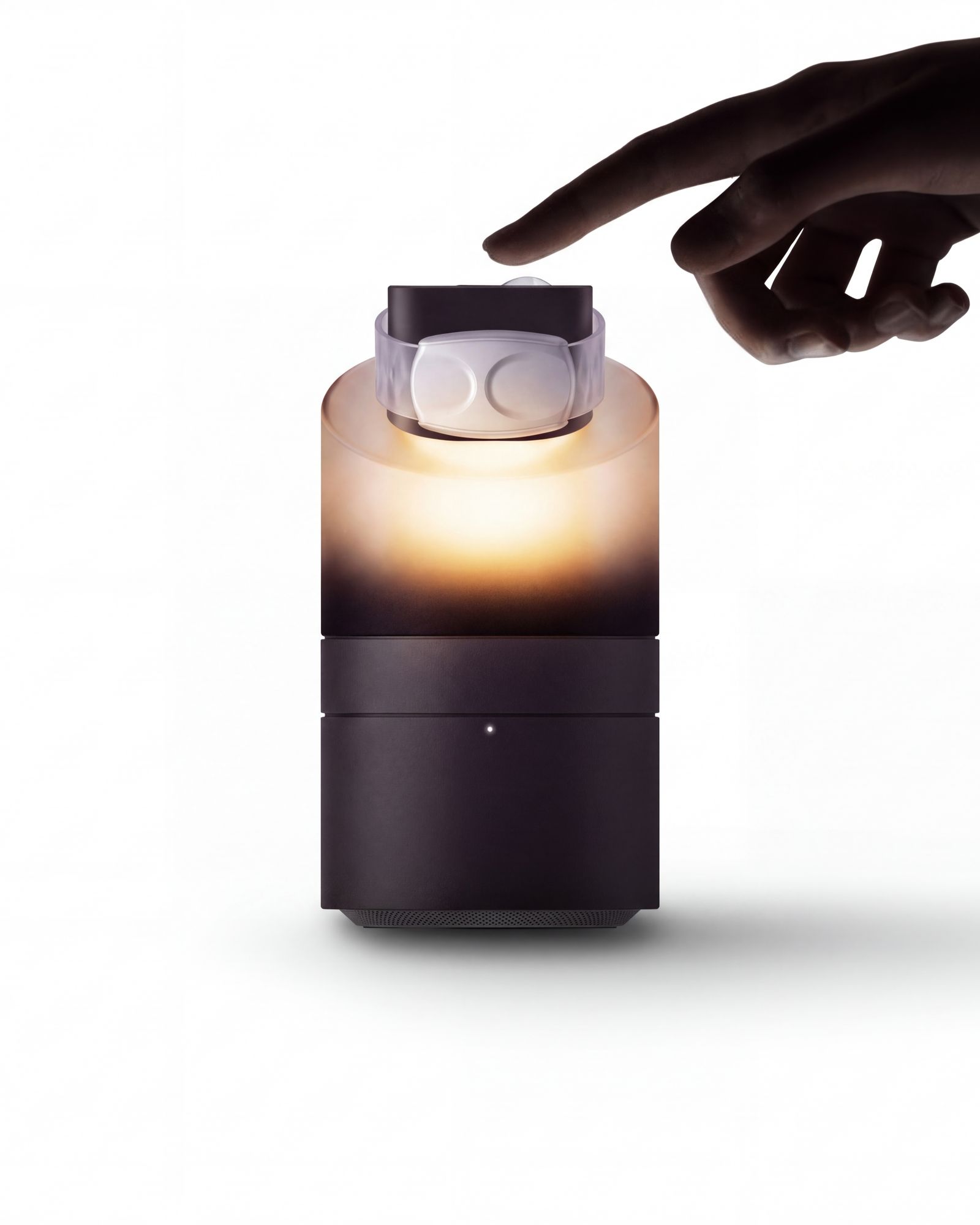
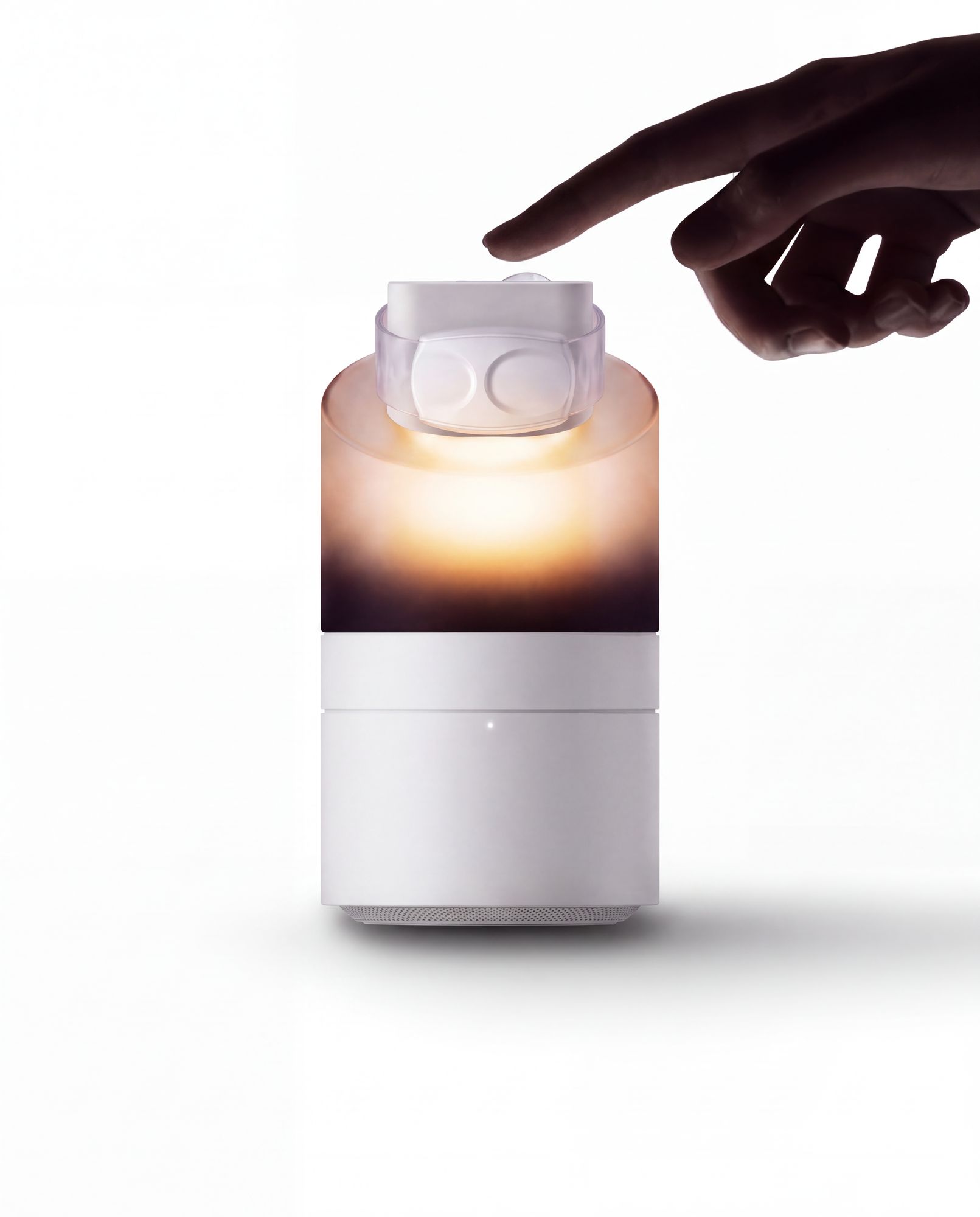
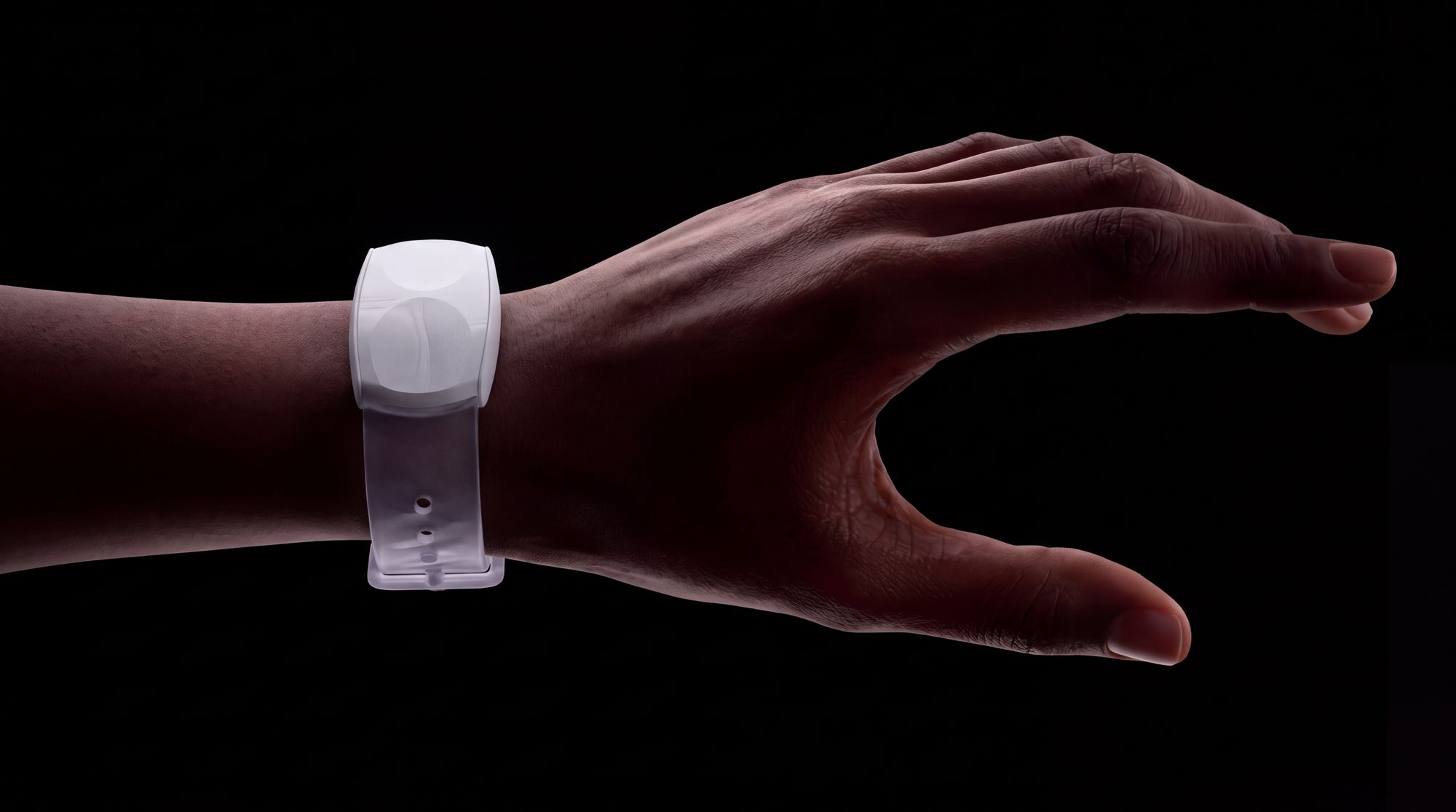
A two-part wearable system — bracelet and bedside base — that monitors sleep and helps detect obstructive sleep apnoea early, turning physiological data into an active, real-time response.
Project
Nocturne
Year
2025 — 2026
Course
Integrated & digital product engineering
Professor
Simone Paternich
Type
Medical wearable
Target price
~ €280 — 395
12M+Italians live with moderate-to-severe OSA
2%of them currently receive treatment
≥ 8 hbattery life of the bracelet
~ €56estimated cost of the whole system
€280–395target retail price
The problem
In Italy over 12 million people live with moderate-to-severe obstructive sleep apnoea, yet only 2% receive treatment: the gap opens before therapy, at diagnosis. The project covers the whole medical design path — epidemiology, market analysis and competitor mapping, sensors and actuators — through to cost estimate and time to market.
The system
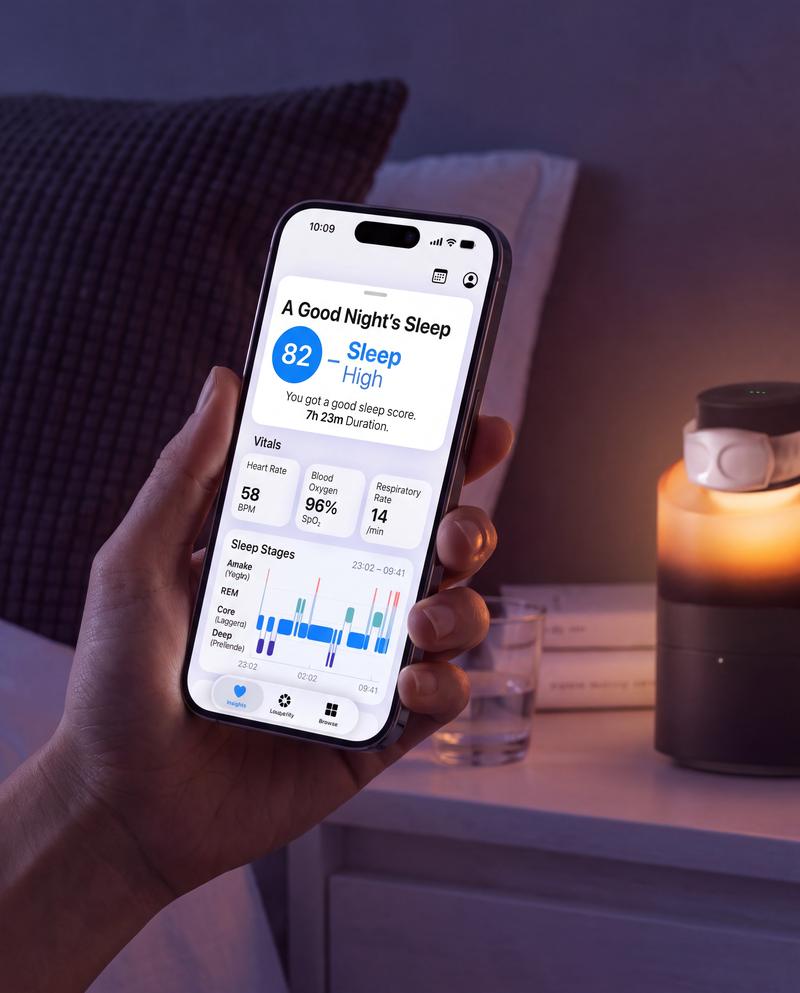
The bracelet samples heart rate, HRV, SpO2, breathing, movement and temperature, streaming data via Bluetooth LE in real time. When a drop in SpO2 coincides with a breathing pause in a supine position, a gentle vibration invites a change of posture; only if the pattern persists does the base respond with soft sound or light. In the morning the app turns the night into a clear score — never posing as a diagnosis.
A night with Nocturne
From bedtime to the morning
01
Before sleep
Charged during the day on the bedside base, the bracelet goes on the wrist. The base stays plugged in on the nightstand and the two connect via Bluetooth Low Energy.
02
During the night
The bracelet samples heart rate, HRV, SpO2, breathing, movement and posture, streaming the data to base and app in real time — not at the end of the night.
03
Event detected
If SpO2 drops together with a breathing pause in a supine position, a gentle vibration invites a change of posture. Only if the pattern persists does the base respond with soft sound or light.
04
Smart wake-up
Near the end of the wake-up window, movement and HRV find the lightest sleep phase: light rises first, then sound. The night syncs to the app as a clear score.
The bracelet
Drag or scroll sideways
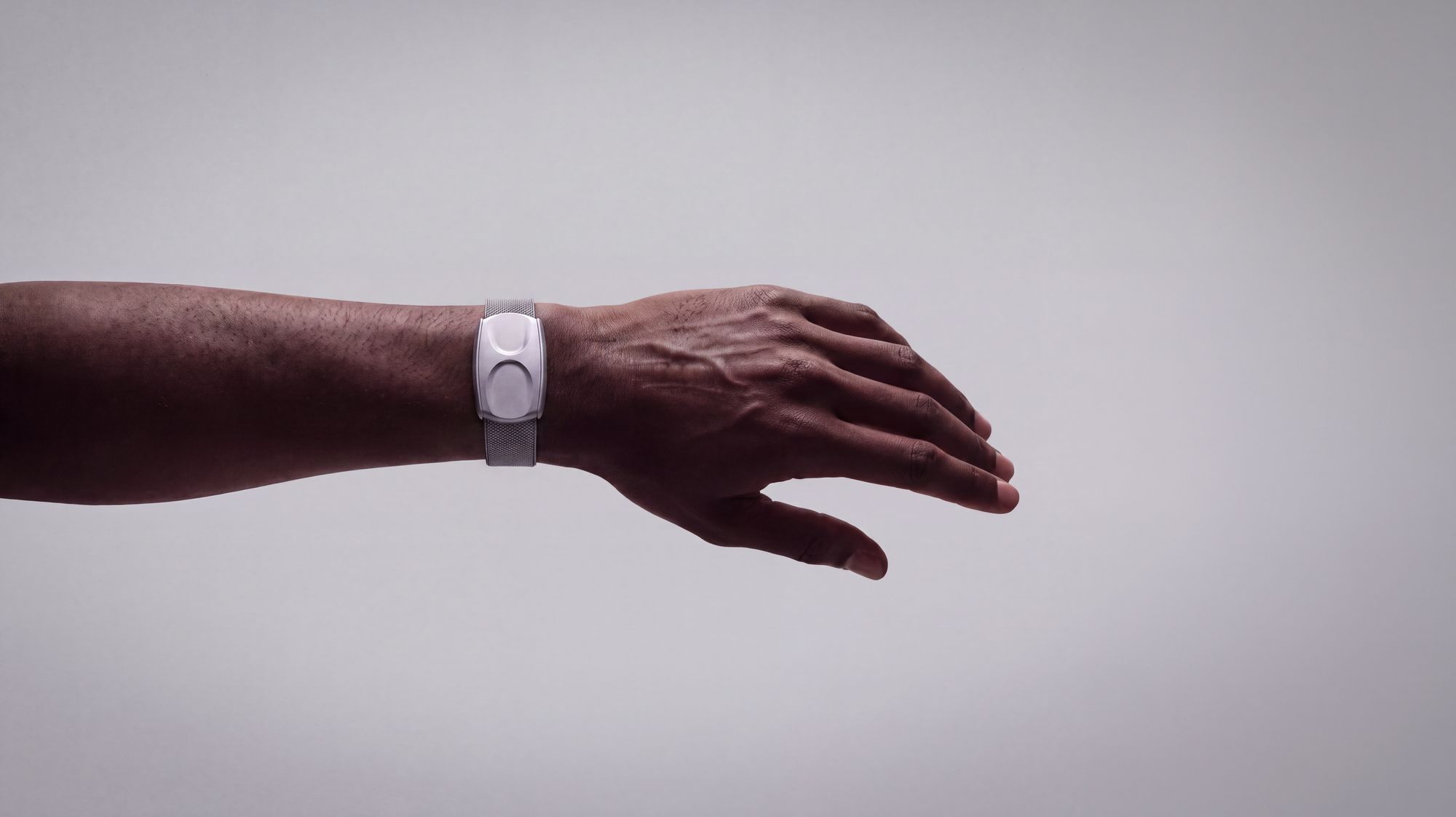
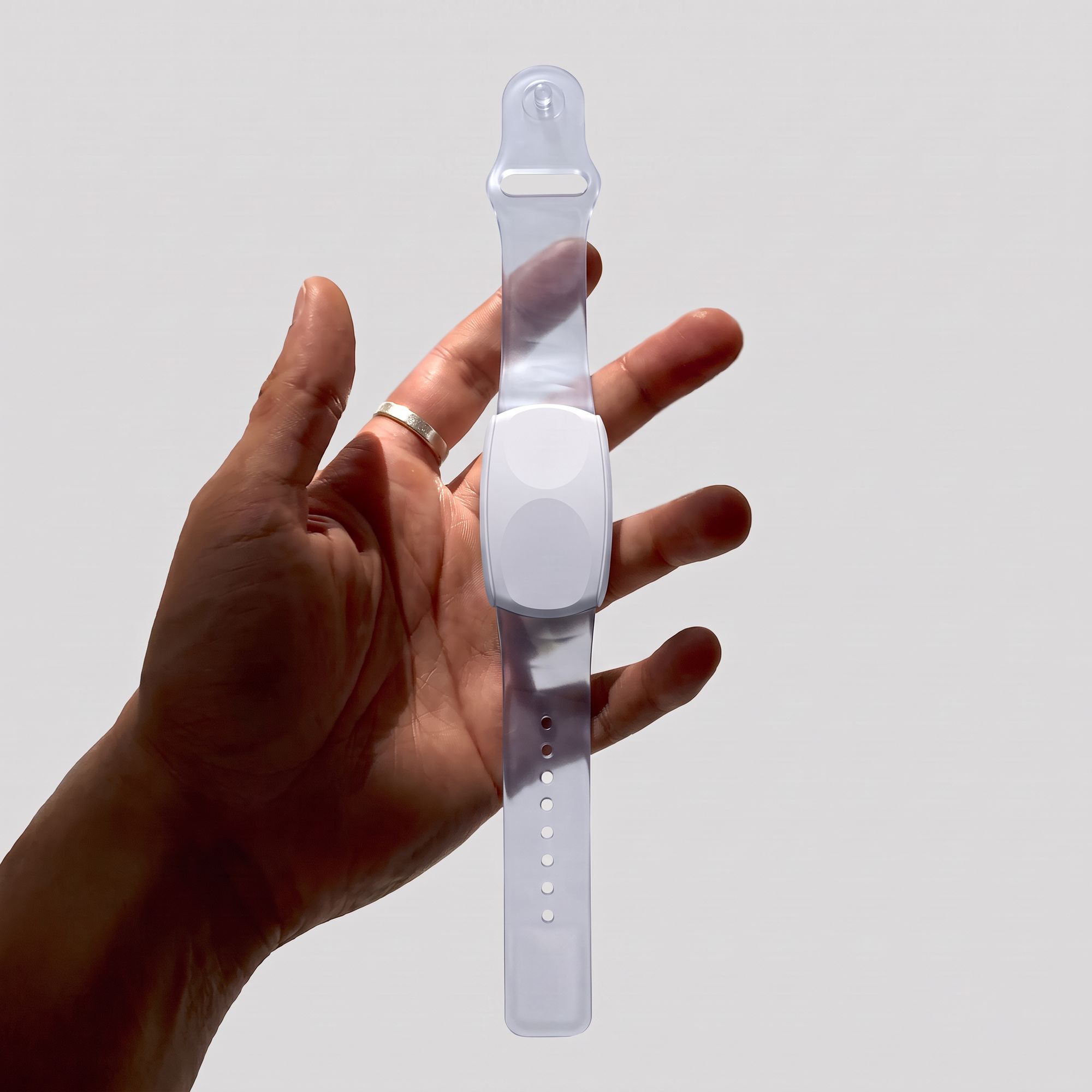
Designed for eight hours of comfortable wear
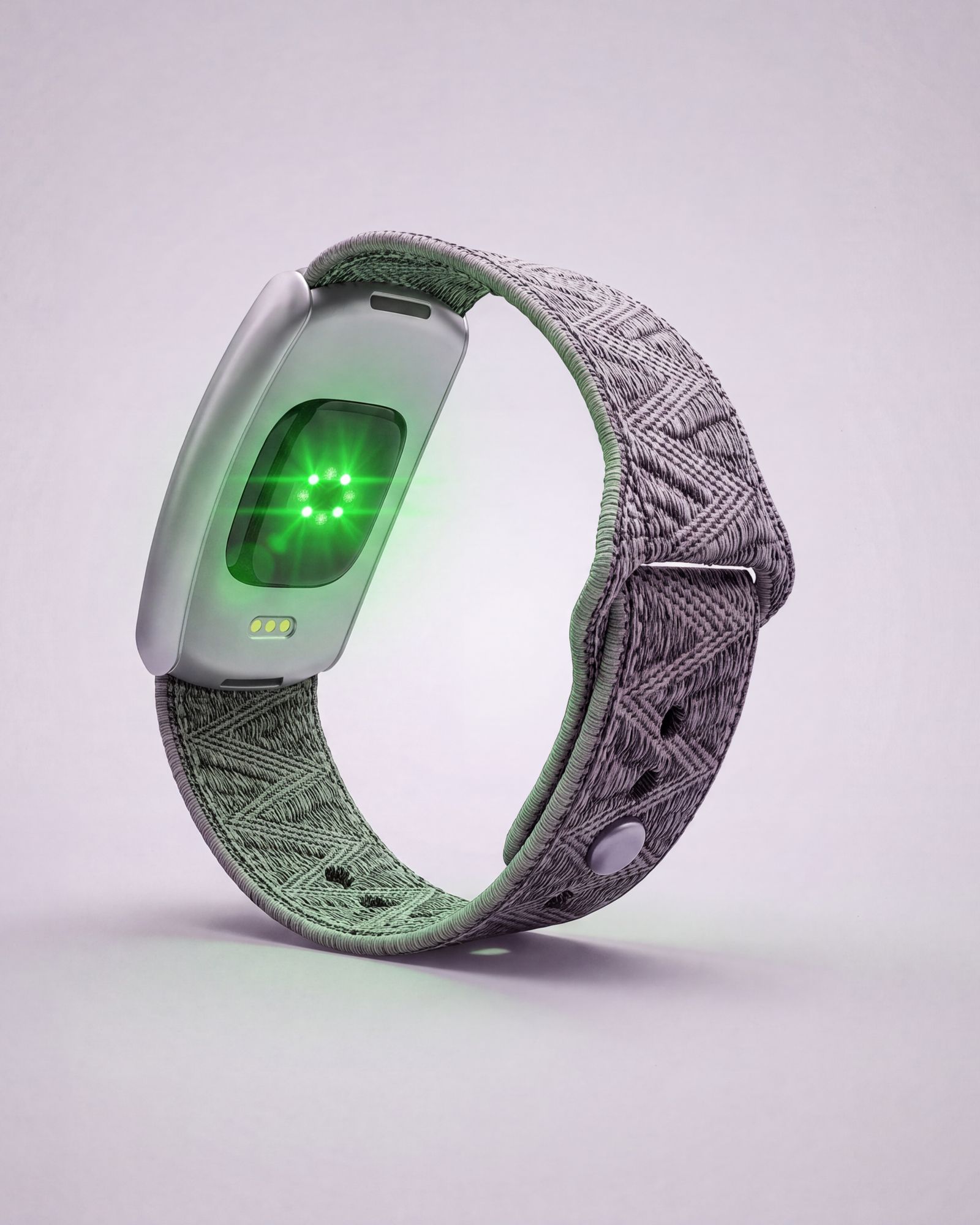
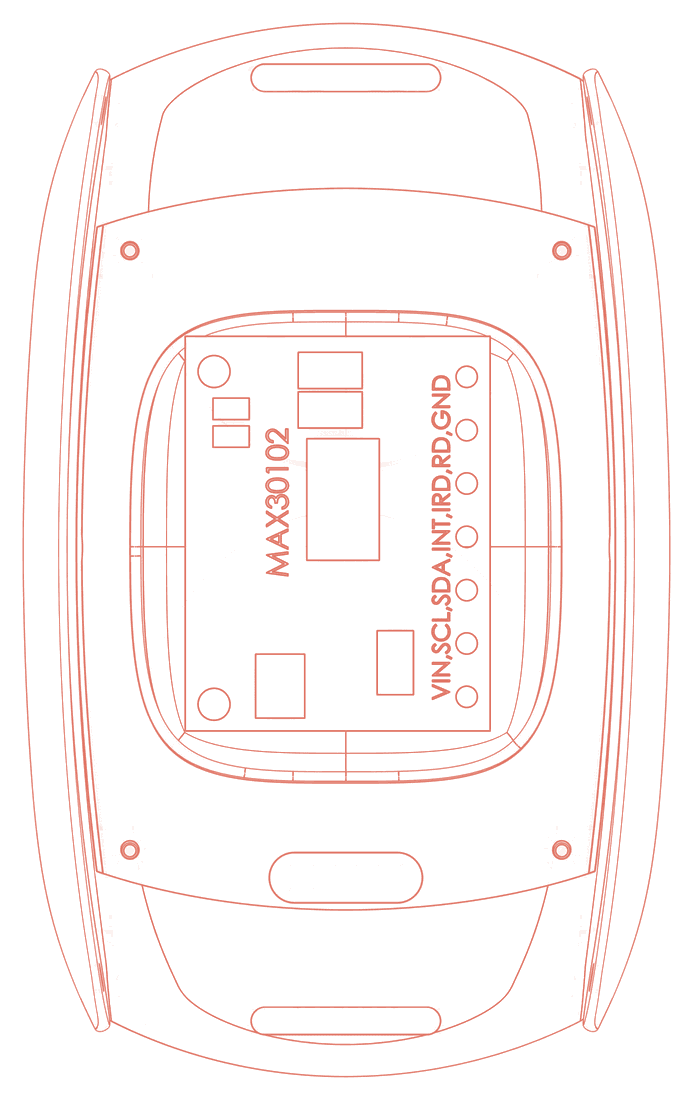
PPG / SpO2 optical sensor
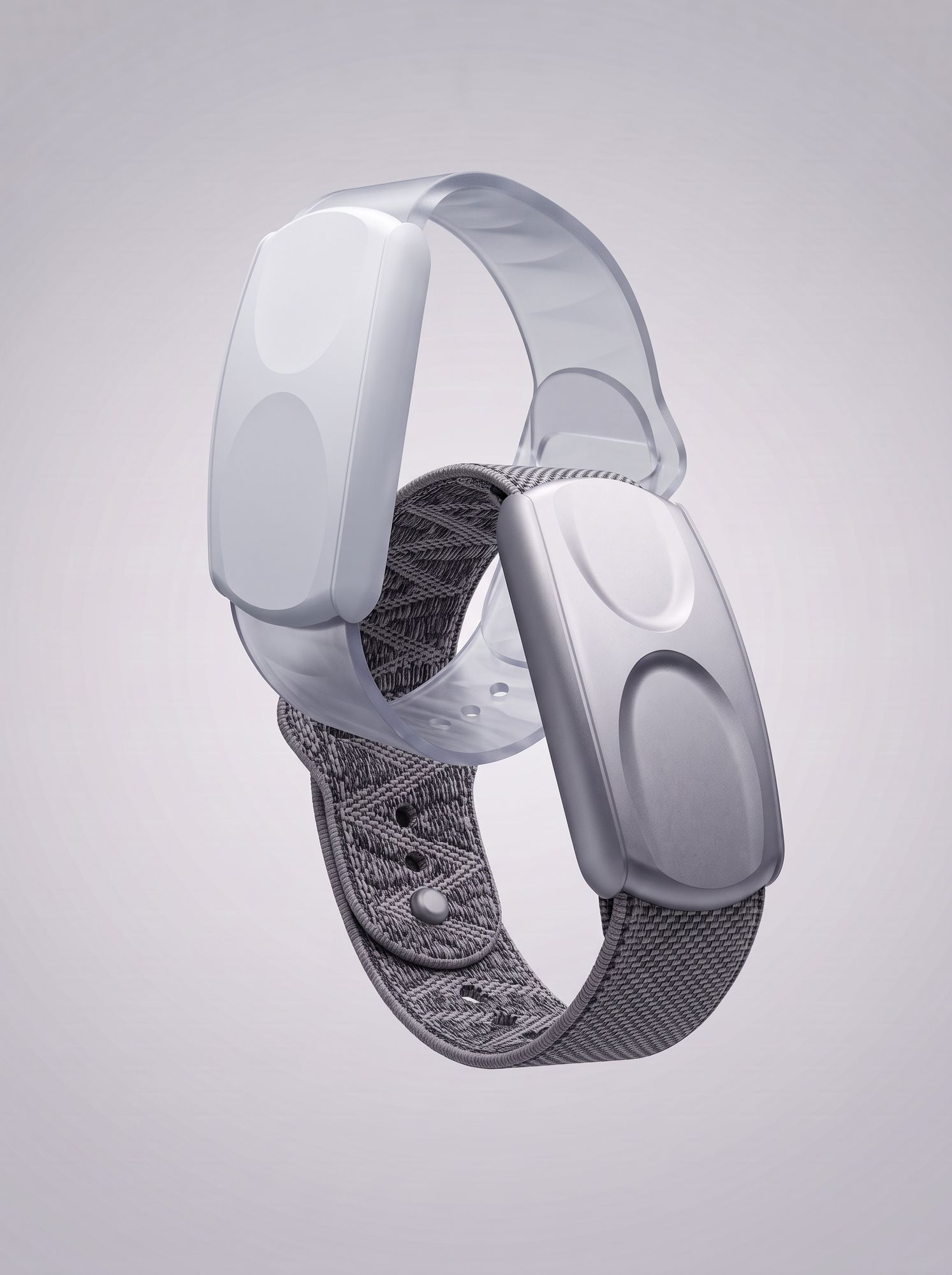
Standard & premium shells
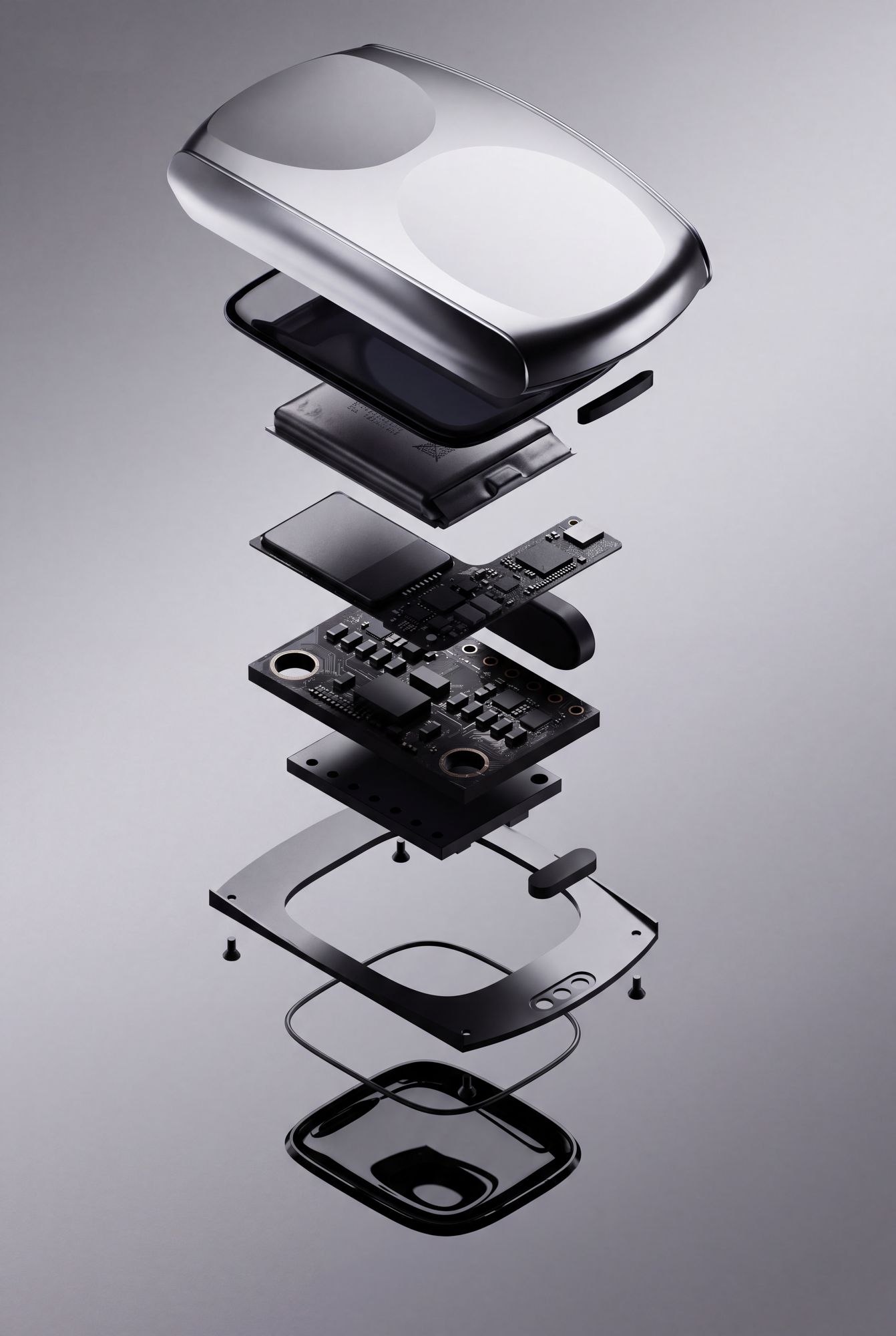
Exploded render
Quick-release strap
“Those who measure well don't act; those who act can't measure SpO2.”
Bracelet
Clinical-grade sensing
PPG, SpO2, respiration, 6–9 axis IMU and skin temperature, plus a vibration motor and ≥ 8 h battery. Polymer or premium aluminium shell, quick-release straps.
Base
Sound & light
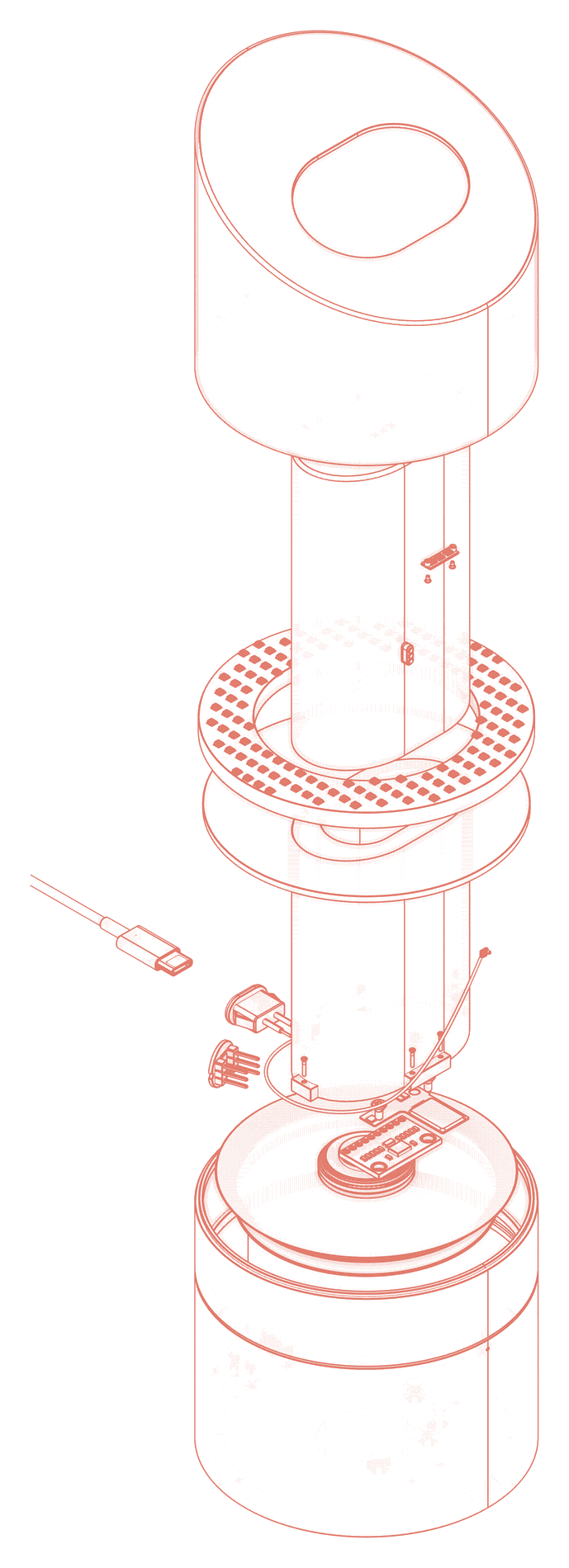
A mains-powered bedside base with a real speaker, adaptive ambient light, smart wake-up, a microphone for snoring and pogo-pin charging.
App
Readable data
A sleep score, four key parameters and a low-anxiety alert only when patterns repeat over time. Light and sound can be switched off — monitoring stays on.
The bracelet
Sensing, on the wrist
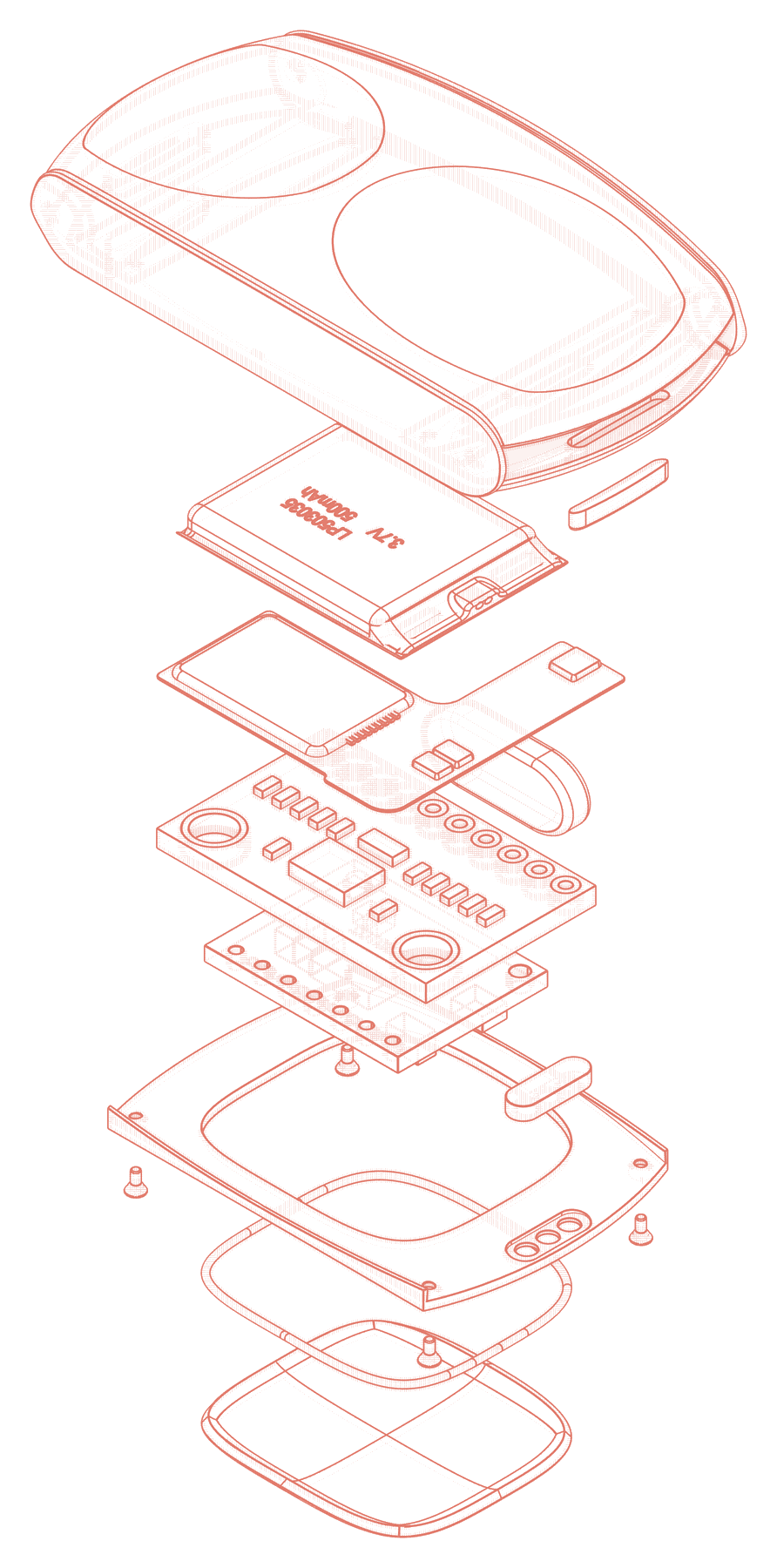
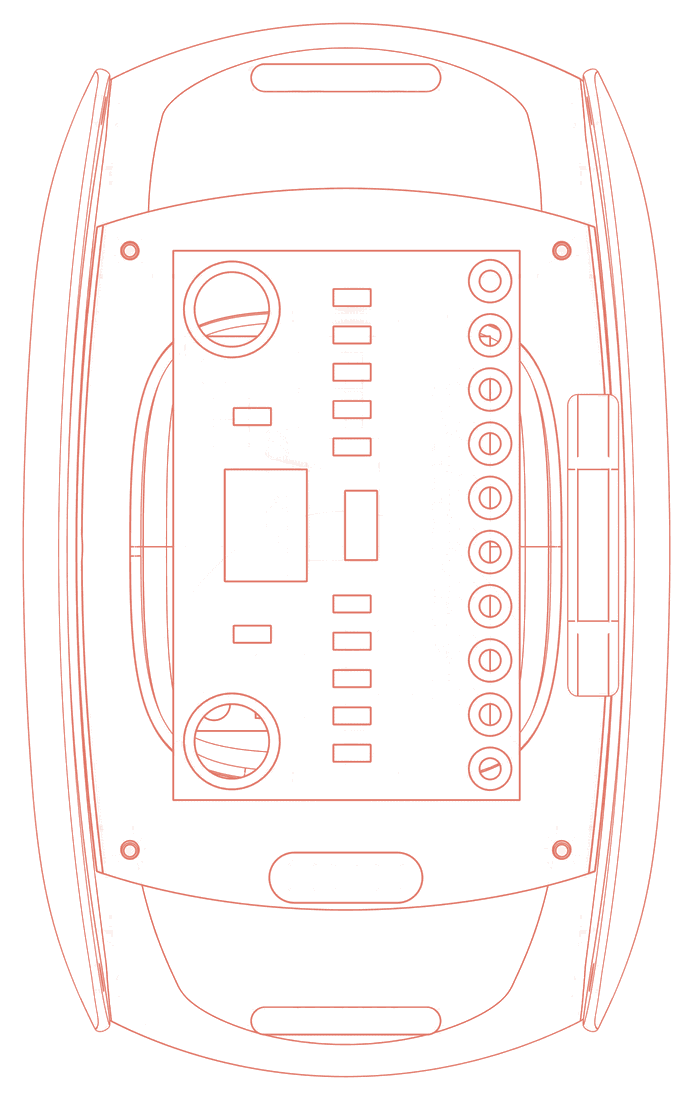
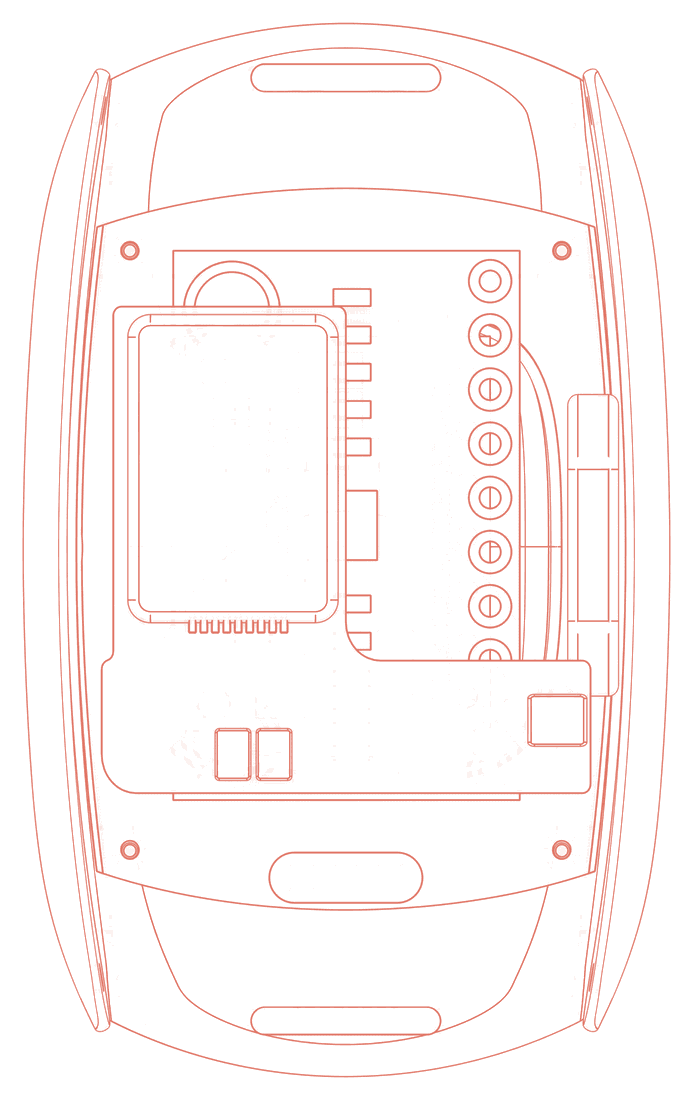
Four sensors sample the raw physiological signal and send it to a single controller — MCU, memory and BLE — that processes it, buffers it during short disconnections and streams it to base and app. A separate haptic driver powers the vibration motor, so the data logic never has to handle the actuator's higher current.
Components, top to bottom
01Upper shell
02Quick-release button
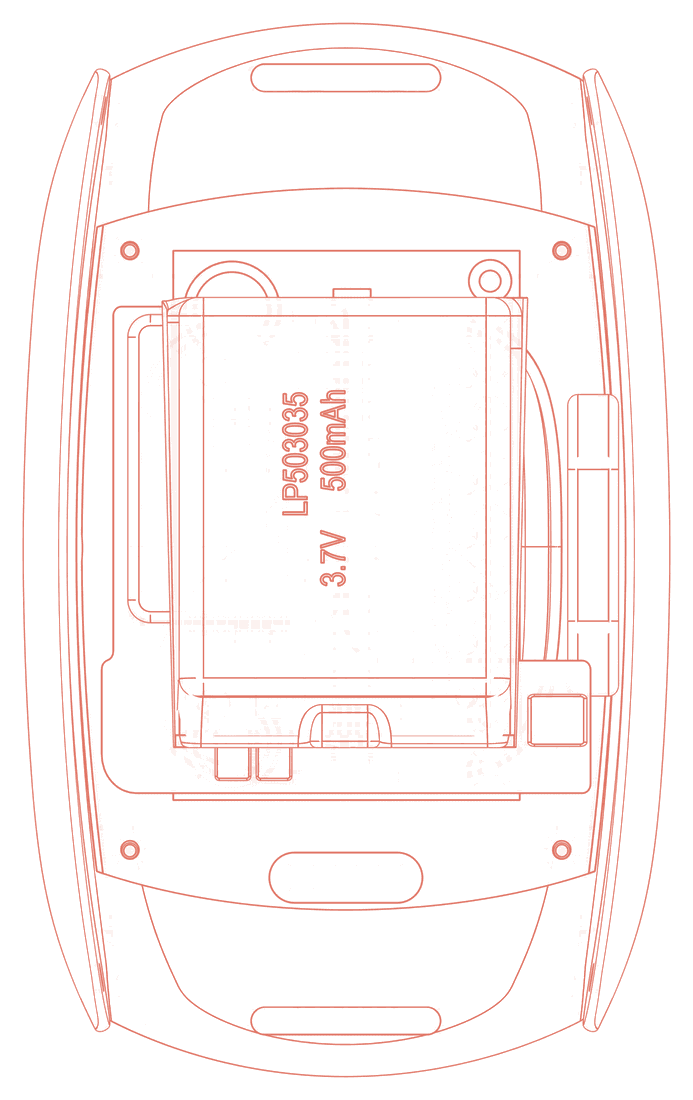
03Li-Po battery
04Haptic driver
05Vibration motor
06Controller — MCU, memory, BLE
07PPG/SpO2 sensor, IMU & temperature
08Charging contacts (pogo pins)
09Lower shell
10Seal
11Optical window
Layer by layer
Inside the shell
01
Optical sensor
PPG and SpO2 read through the optical window: heart rate, HRV and oxygen saturation.
02
Controller
MCU, memory and BLE on one board: it receives every sensor, processes and transmits.
03
Haptic driver
Turns the controller's commands into intensity, duration and pattern of the vibration.
04
Li-Po battery
One power line shared by controller and haptic driver, for at least eight hours of use.
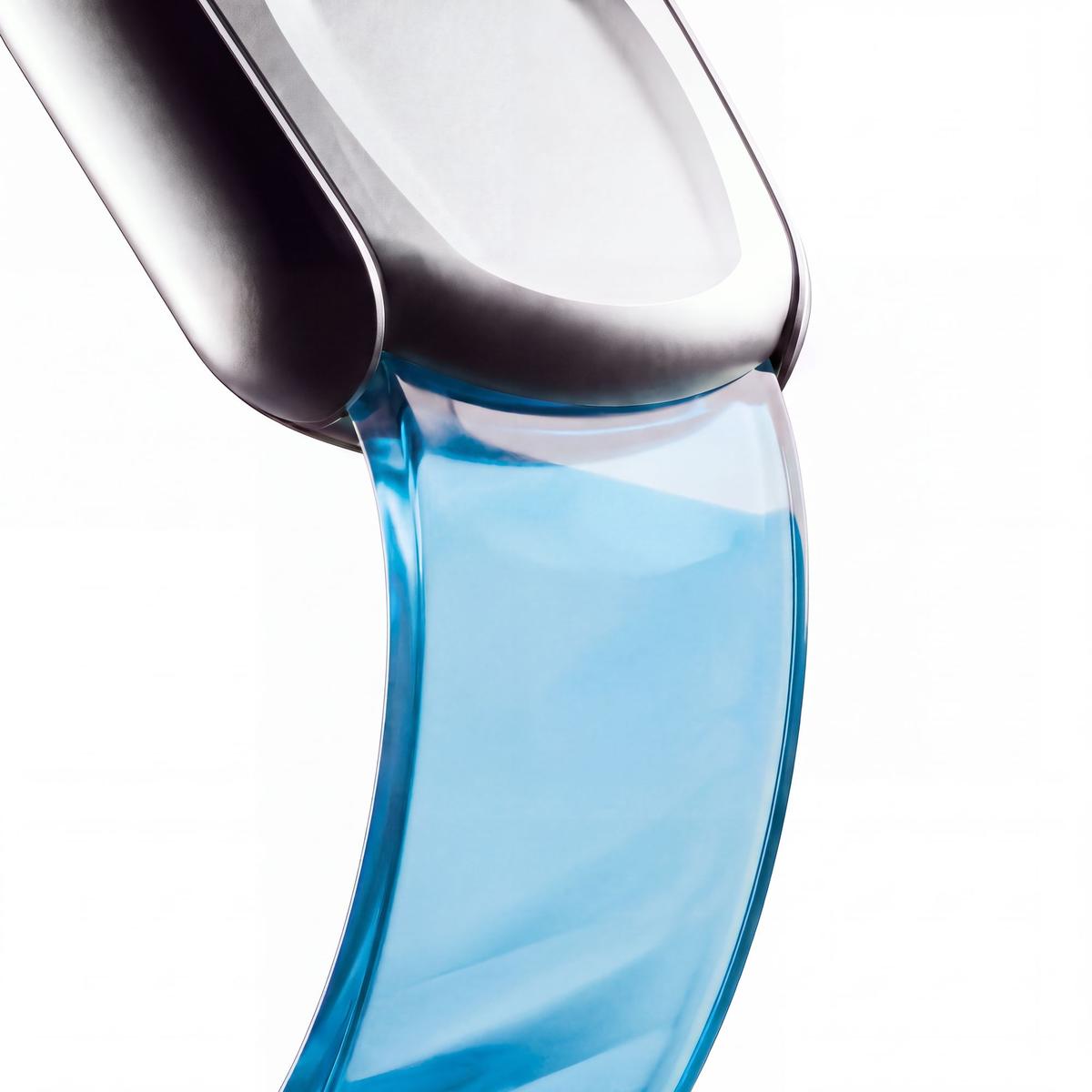
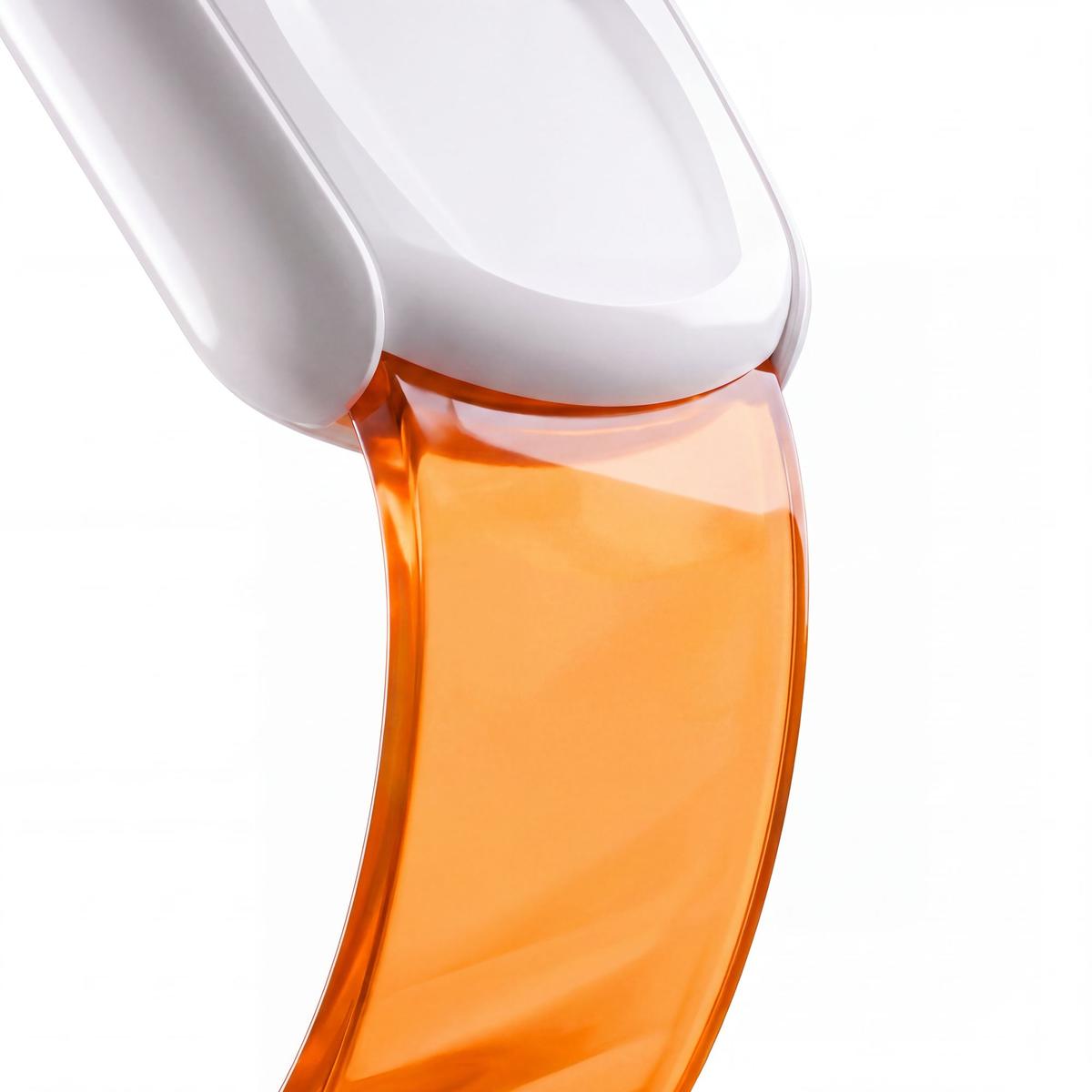
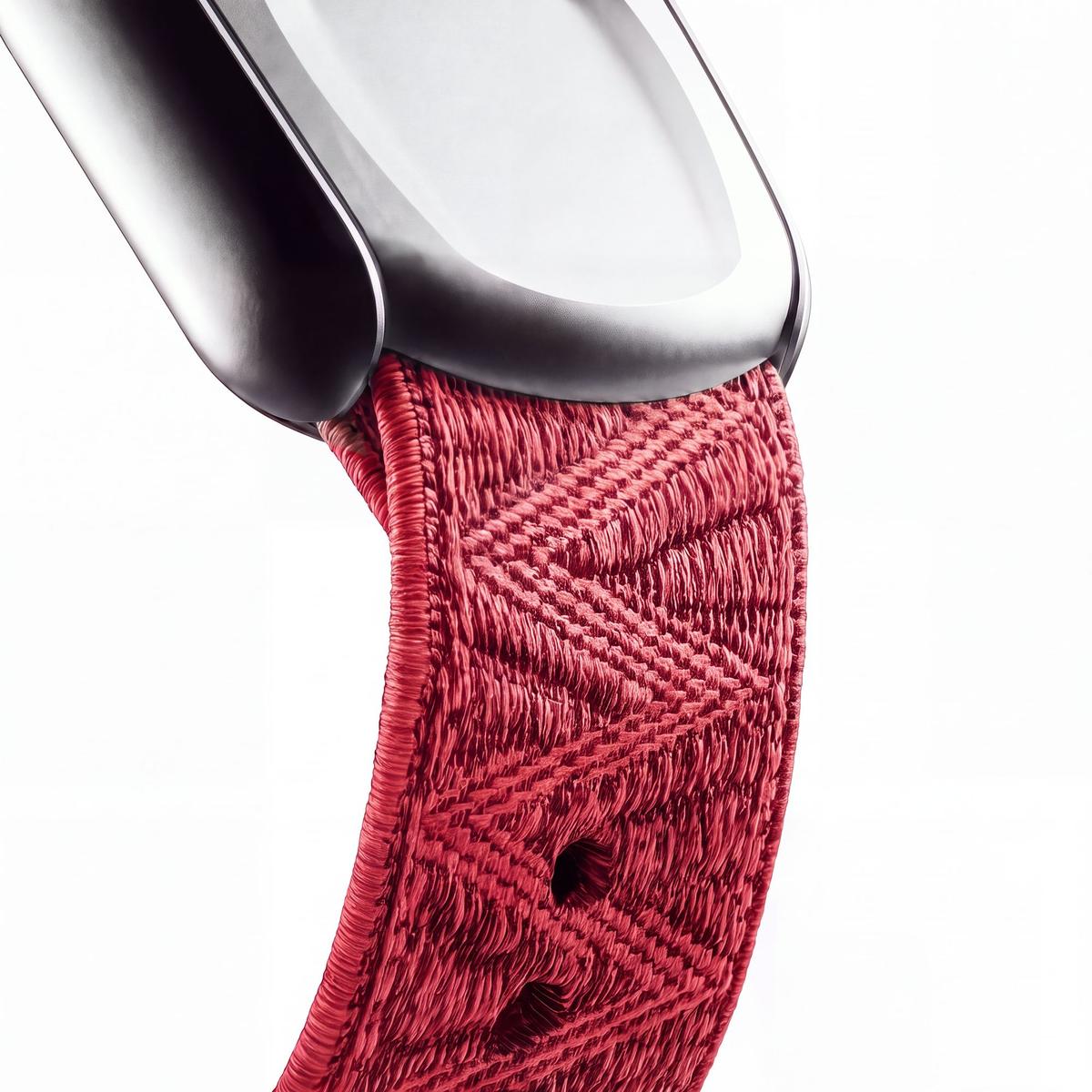
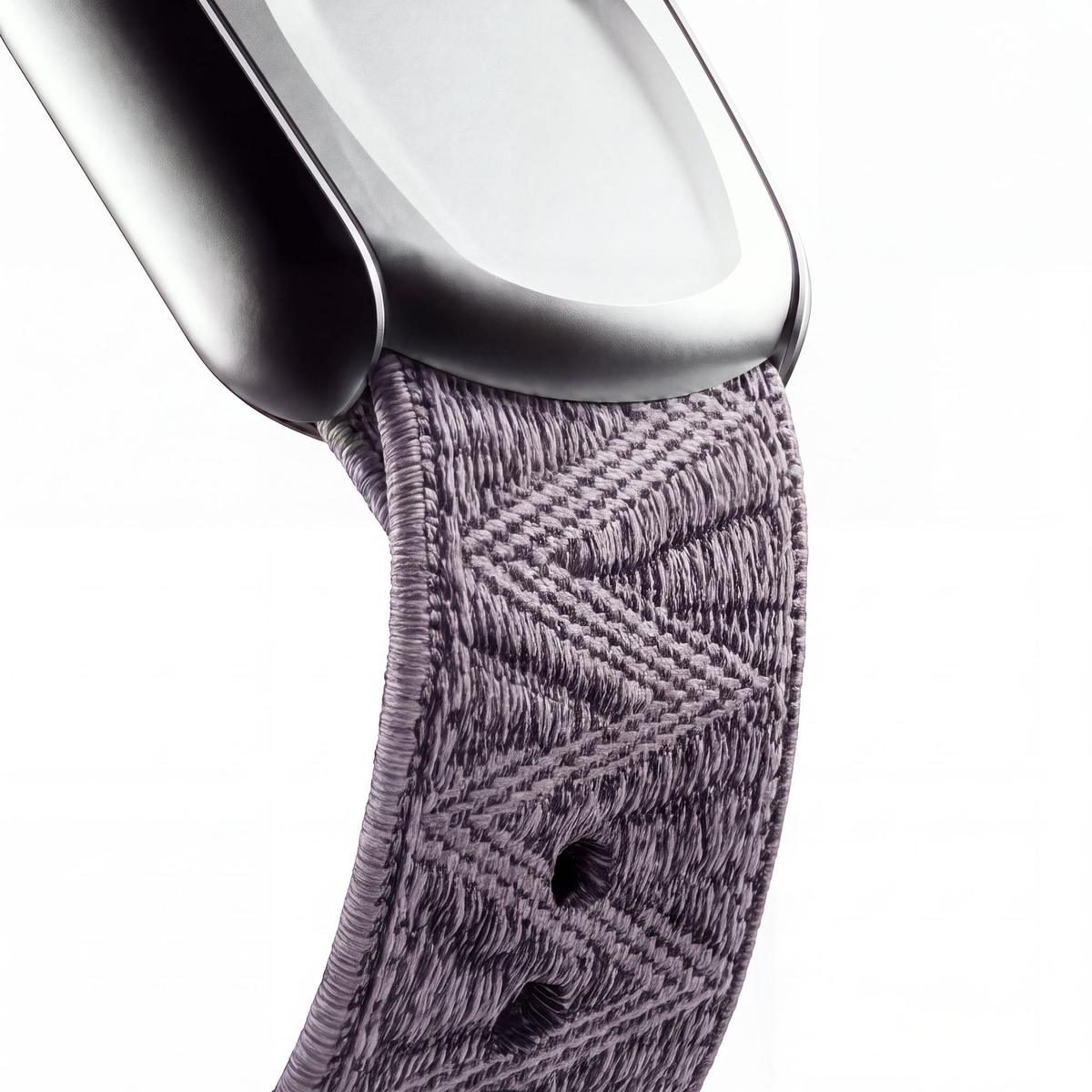
Interchangeable straps
One shell, many straps
Drag or scroll sideways
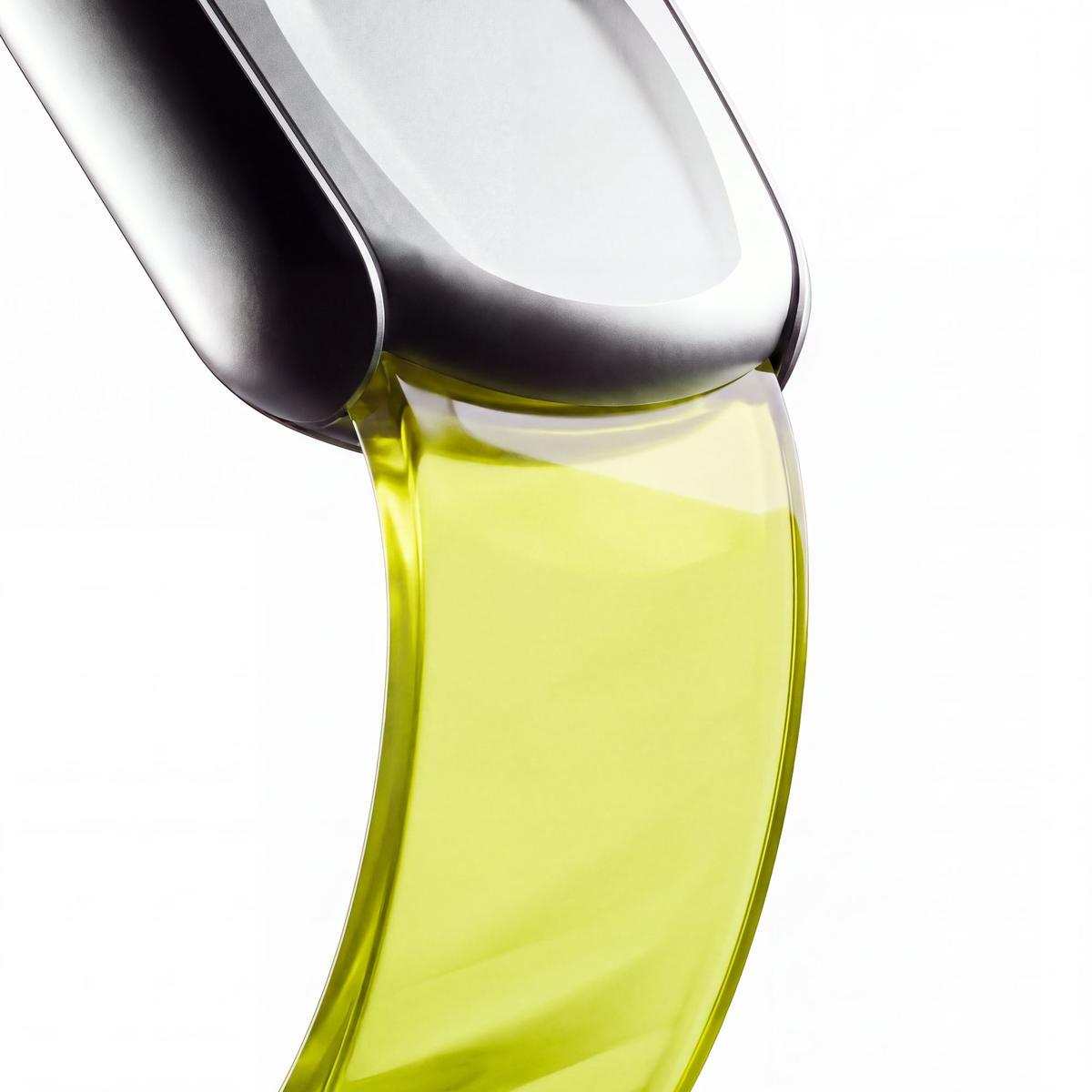
Translucent lime
Translucent blue
Orange, white shell
Coral knit
Woven fabric
The bedside base
Sound, light and charge
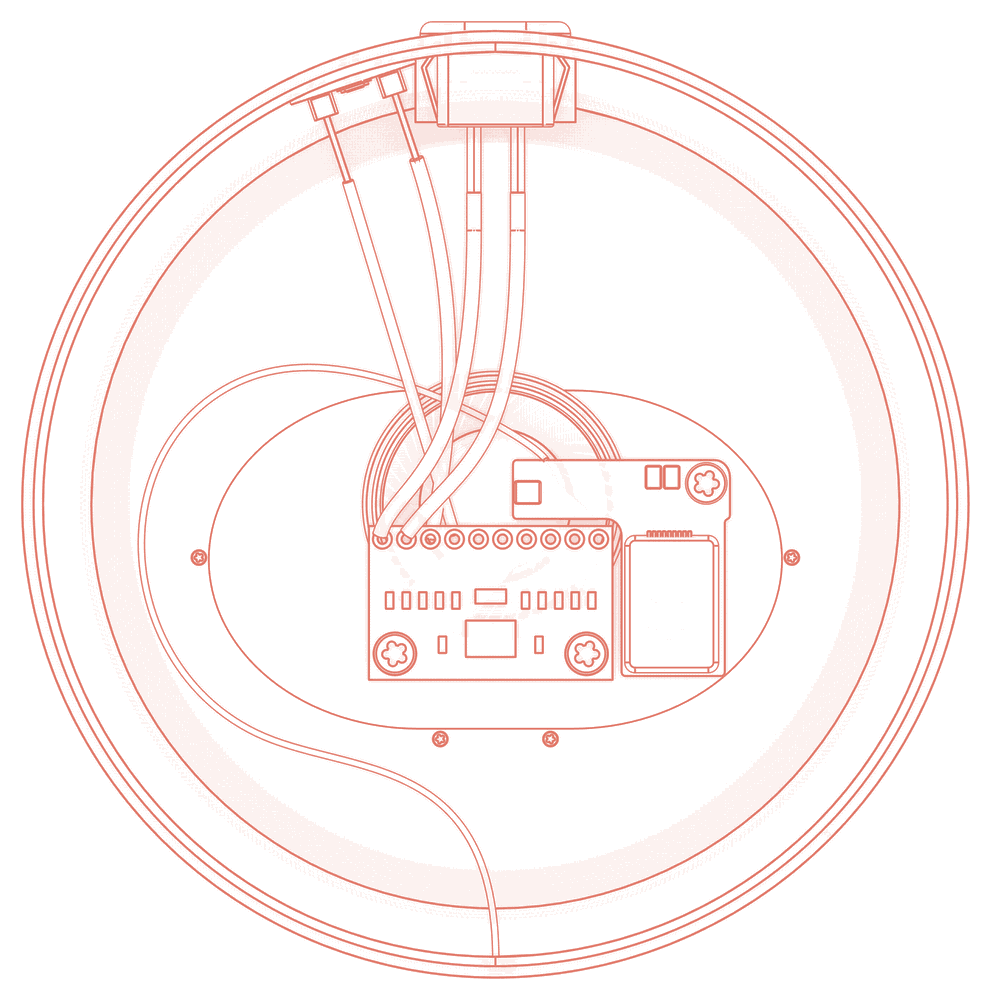
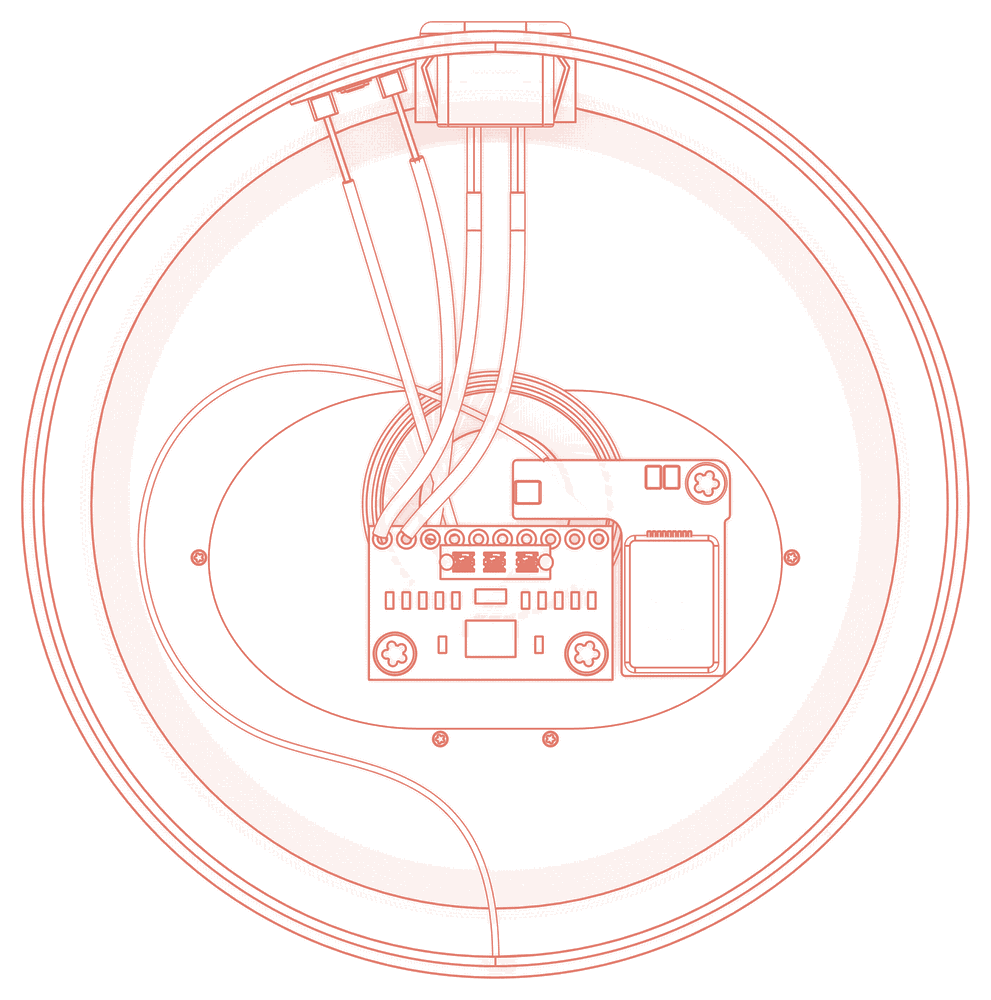
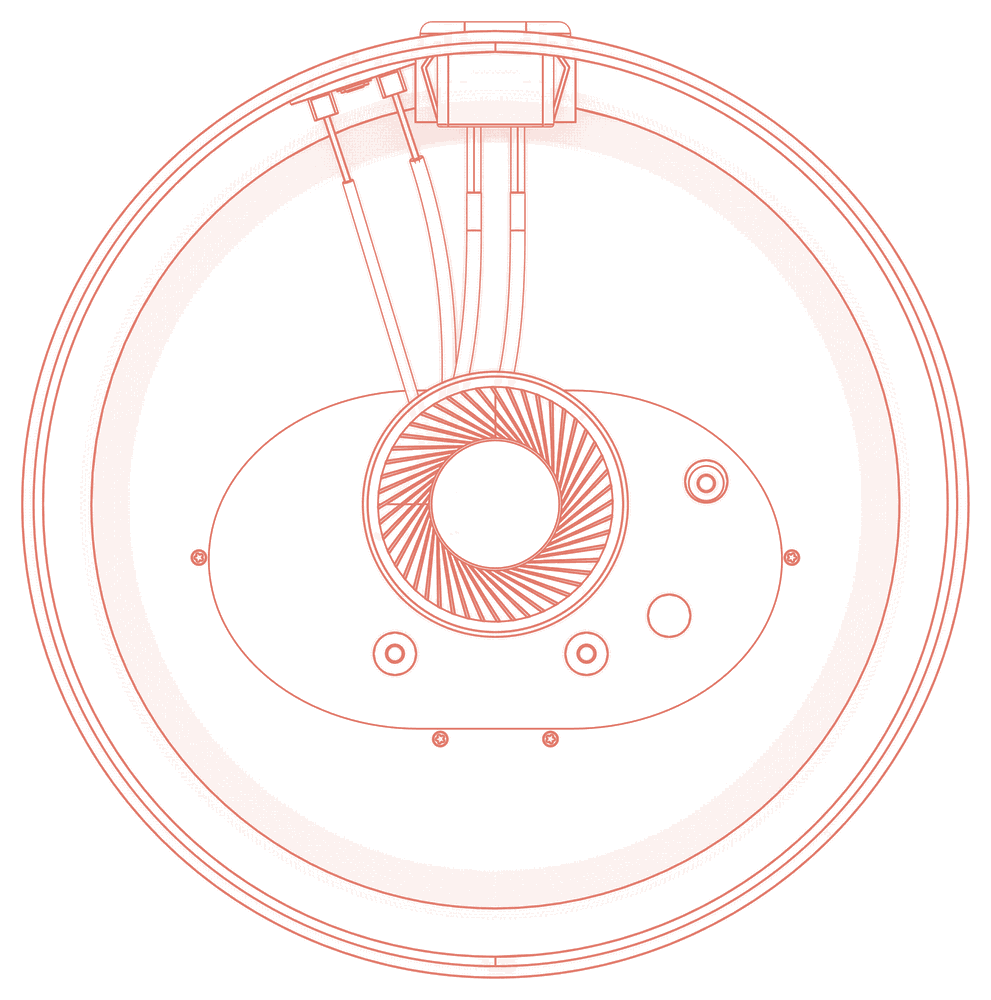
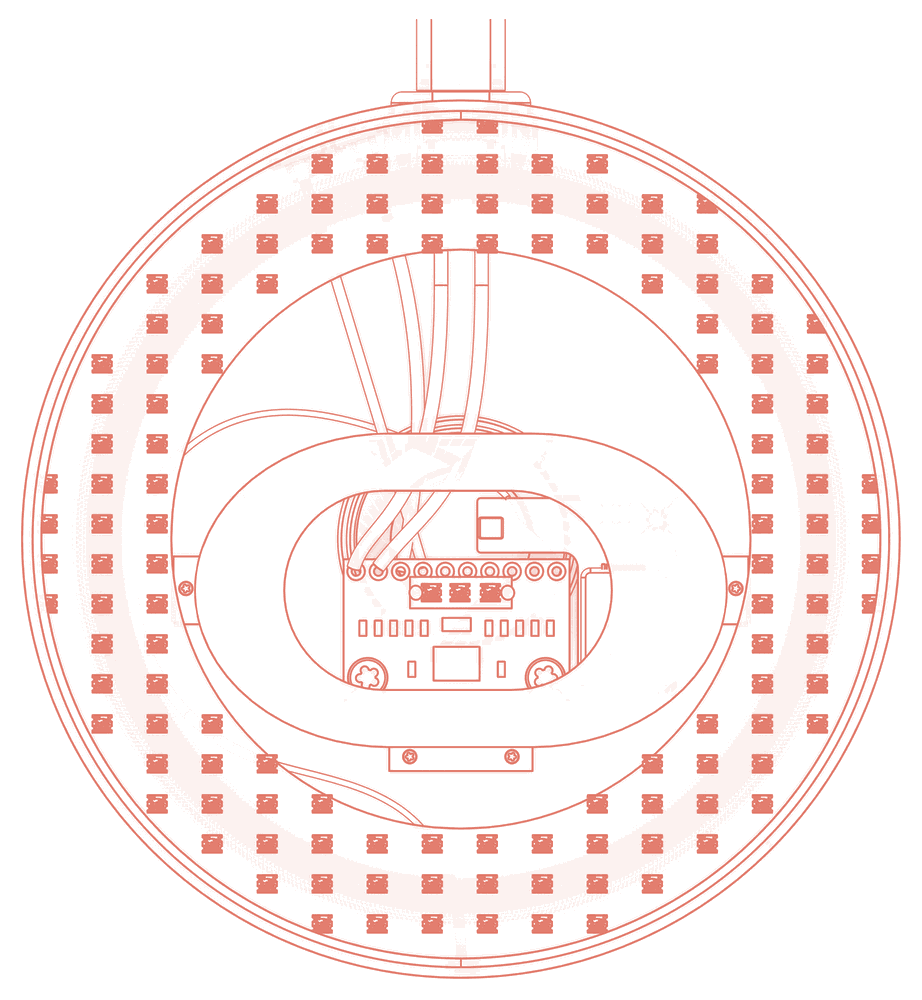
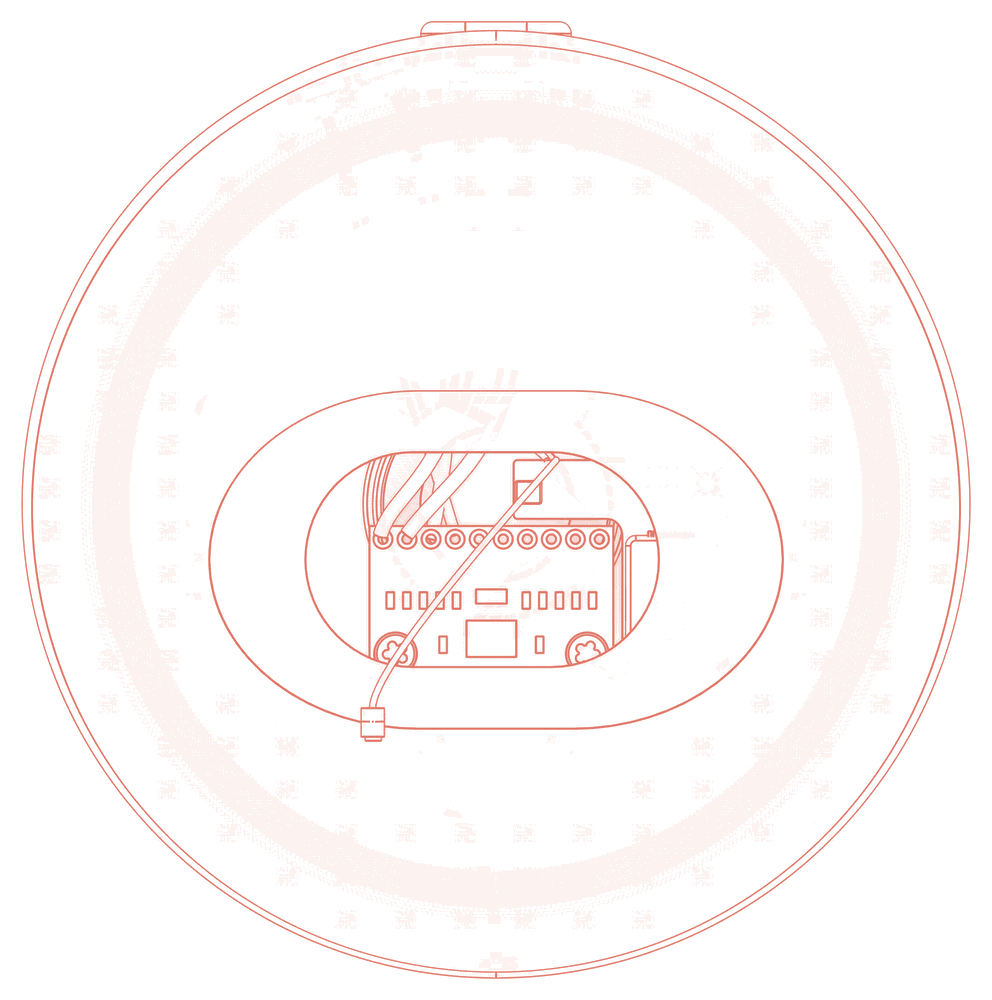
Powered from the mains, the base has no battery constraints: it can host a real speaker and an adaptive light. Its controller receives the bracelet's data via BLE, adds a microphone for snoring and a real-time clock, so it works as an alarm even without a phone.
Components, top to bottom
01Light diffuser
02Wearable cradle
03Charge-status LEDs
04RGBW LEDs
05Diffuser
06Charging pins
07Acrylic diffuser
08Inner support
09Power / connection status LED
10Audio & light driver
11Controller — MCU, memory, BLE
12Speaker
Architecture
What happens inside the base
01
Controller
Reads the bracelet's data, manages the app connection and keeps time with a real-time clock.
02
Charge LEDs (×3)
Show the bracelet's charge in steps: one ≈ 33%, two ≈ 66%, three ≈ 100%.
03
Speaker
Relaxing sounds, real-time guided breathing and the smart-alarm sequence.
04
Adaptive light
RGBW LEDs behind the diffuser: gradual wake-up before sound, soft light for evening relax.
05
Charging pins
Pogo pins power the bracelet straight from the mains; the controller only monitors the charge.