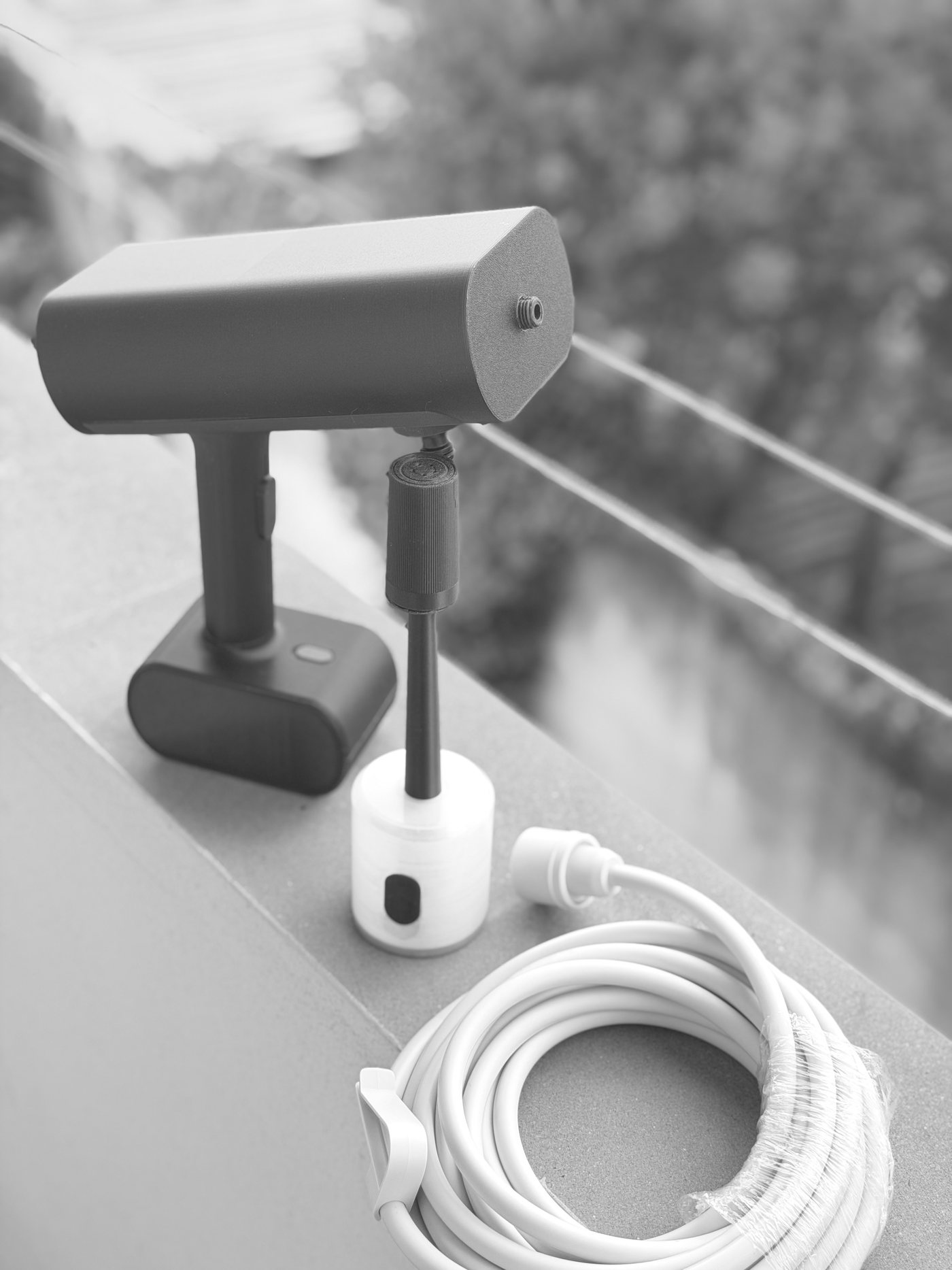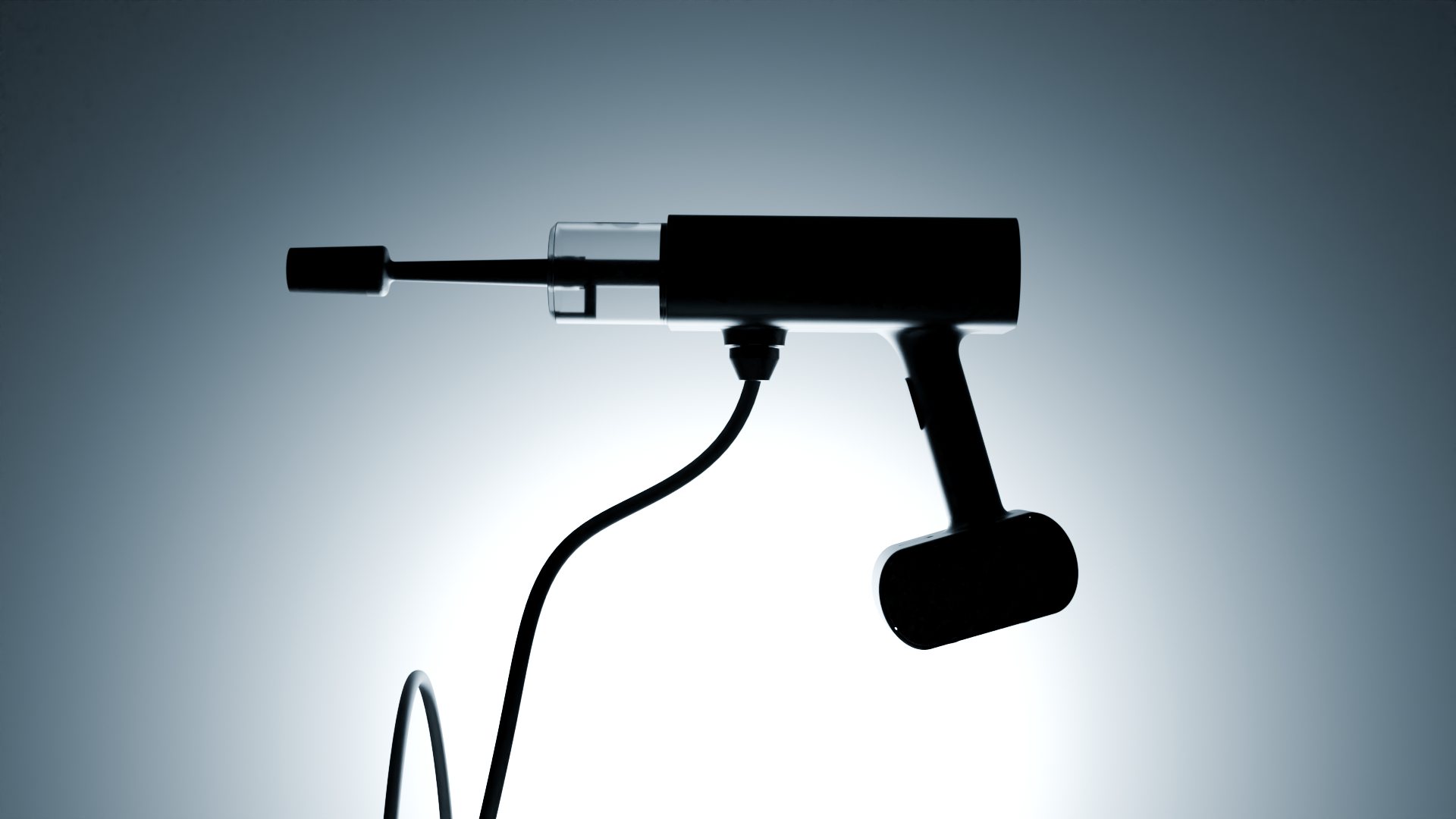
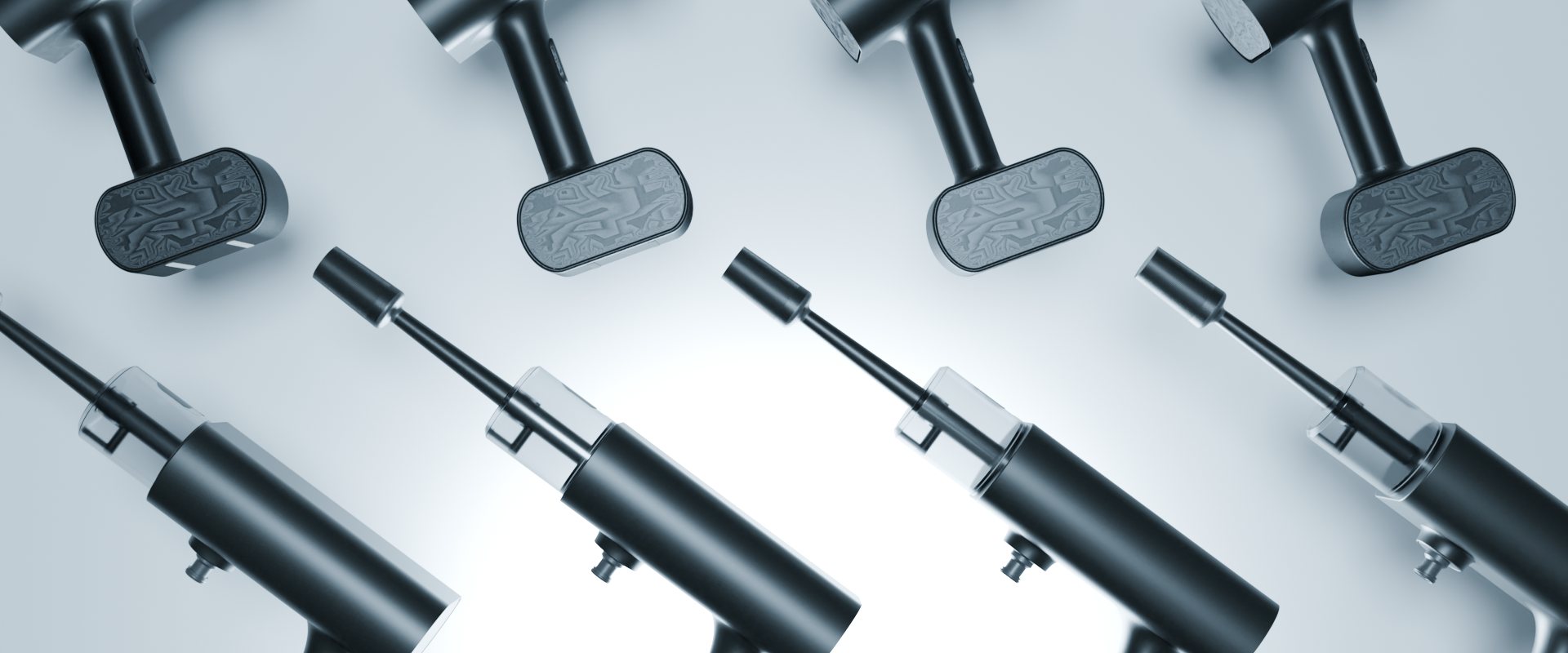
A cordless pressure washer redesigned from an existing tool: the mechanics stay, the housing, structure and functions are rethought for injection moulding — with a soap reservoir, a multi-pattern nozzle and a battery built into the body.
- 48 VBattery platform of the starting tool
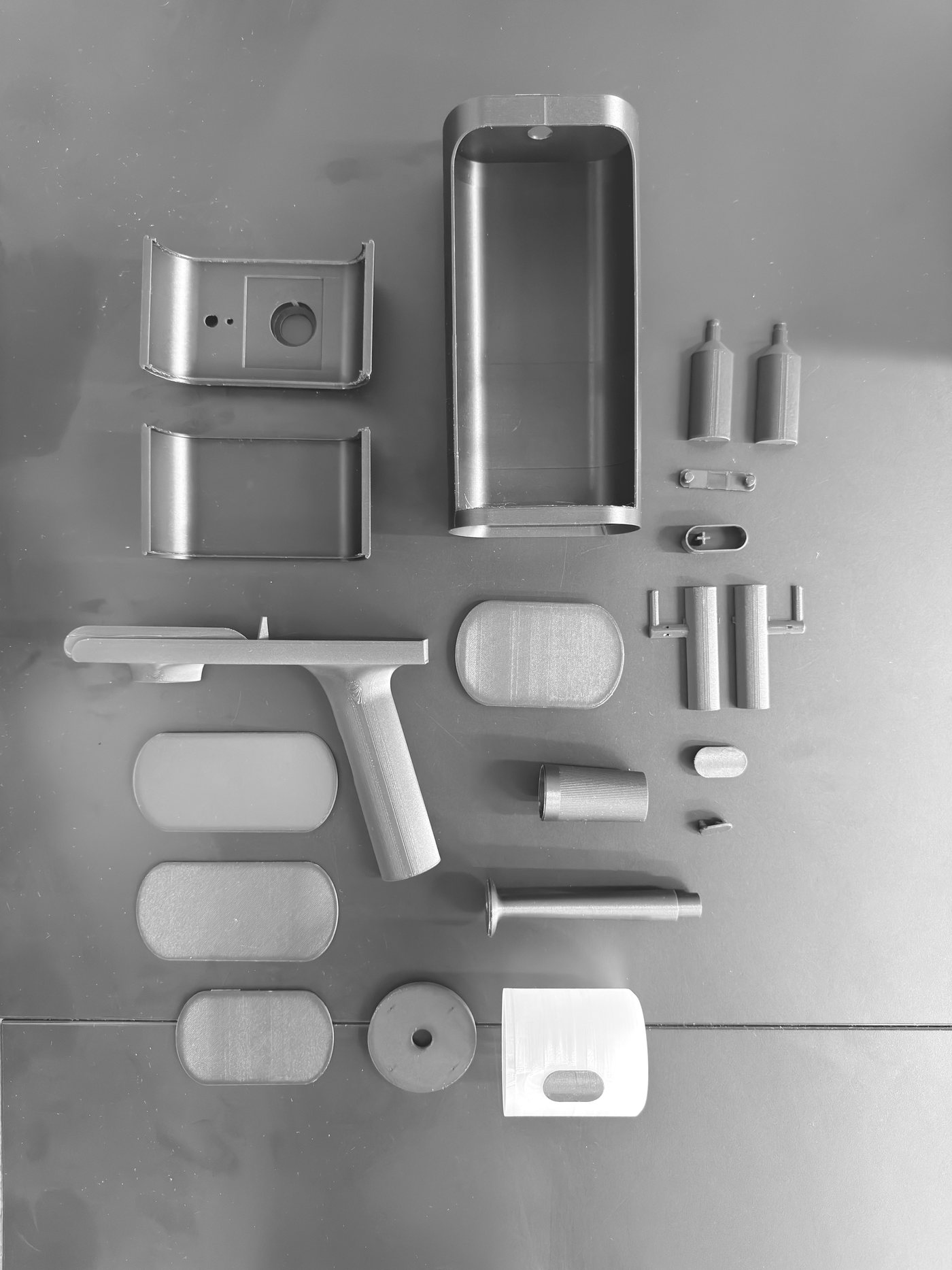
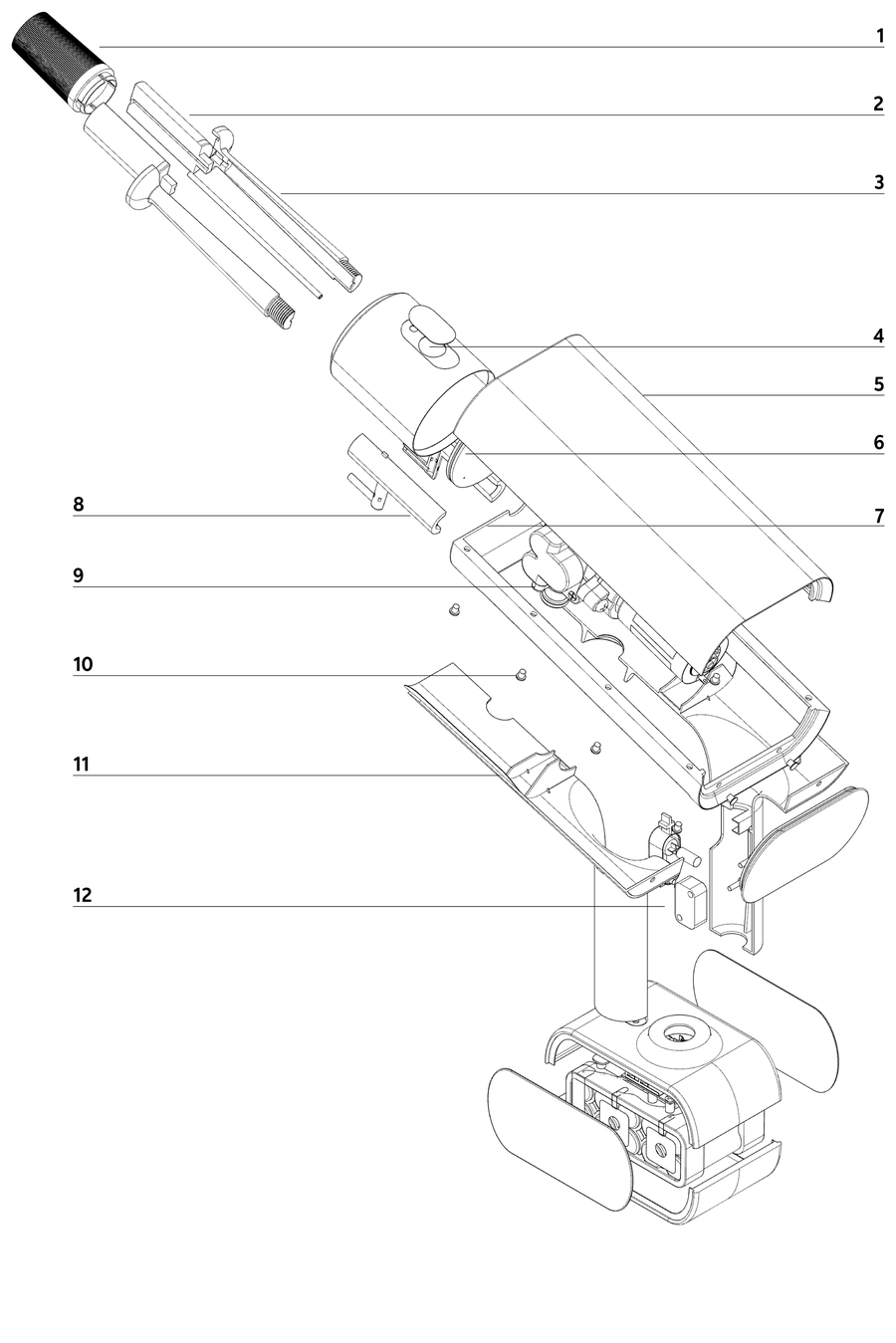
- 12Components in the exploded view
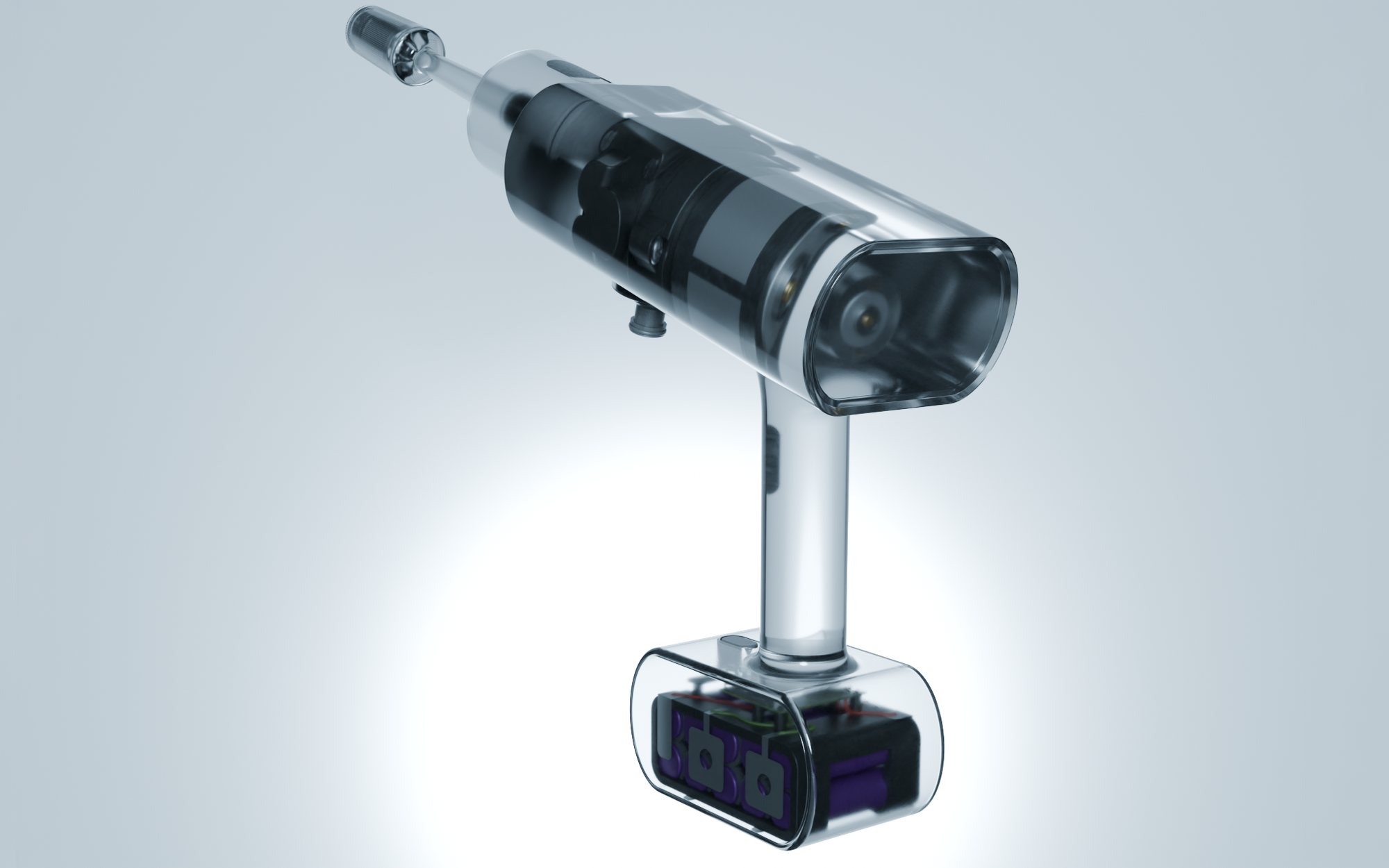
- 3New functions: soap reservoir, multi-pattern nozzle, integrated battery
- 0Visible screws: hidden fixings and press fits
- 2Prototype materials: carbon-fibre PLA and transparent PLA
Brief
Choose a household appliance, preferably used, take it apart and analyse its main components. Then redesign its housing, structure and functions while keeping the existing mechanics, adapting the product to injection moulding and simulating an industrial production.
The choice
A pressure washer. Not just a restyling: the project adds functions missing from the starting model, to improve the experience of use and the overall performance.
Starting from an ordinary tool
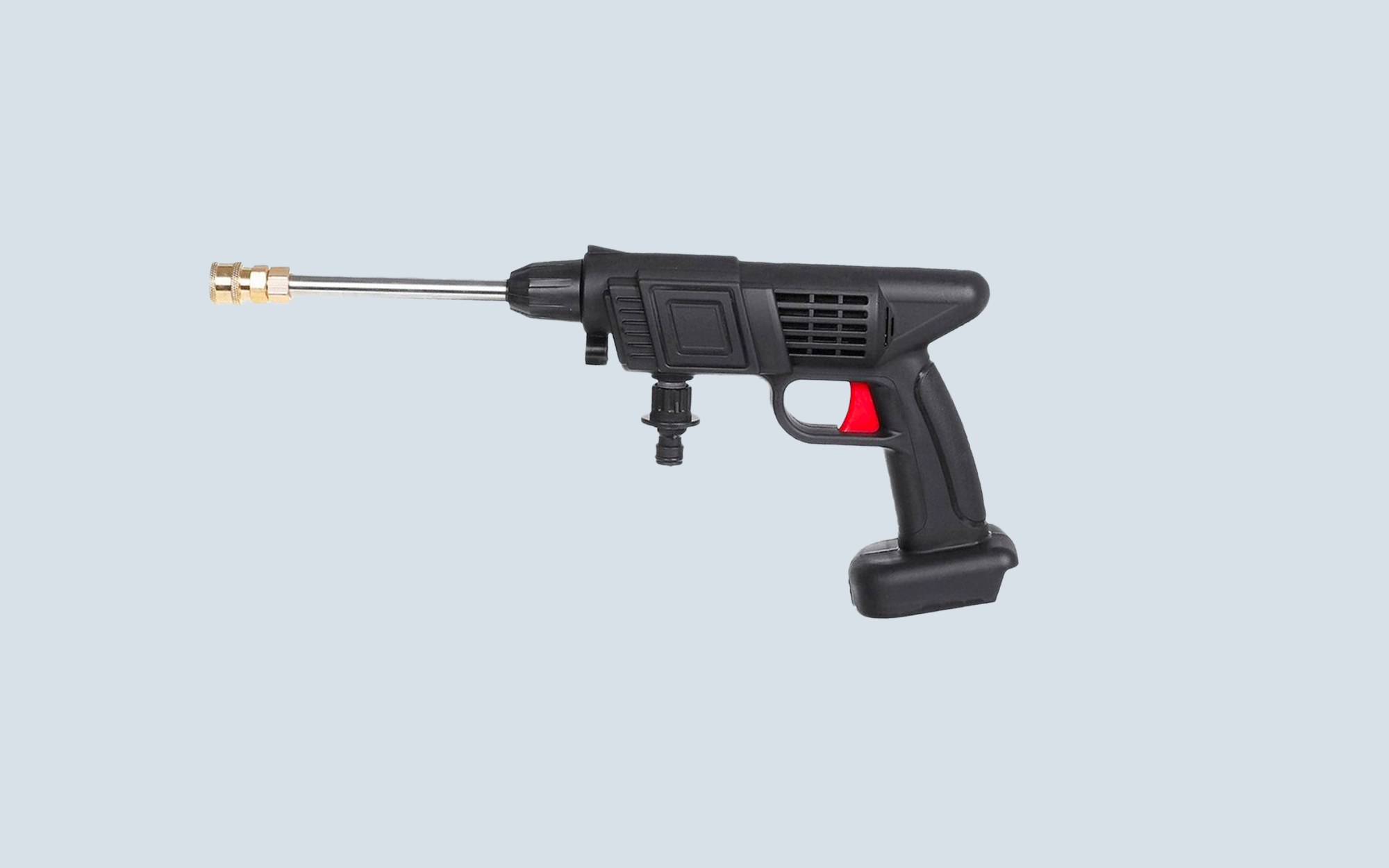
The project started from a mid-to-low range 48 V cordless pressure washer gun, designed for small household cleaning jobs. Practical and portable, but with limited water pressure. The original box included the washer, a rechargeable battery pack, its charger and several accessories — a detergent tank, a debris filter and other parts.
- Starting point48 V cordless pressure washer gun
- RangeMid-to-low, household use
- LimitLow water pressure
- In the boxBattery, charger, detergent tank, filter
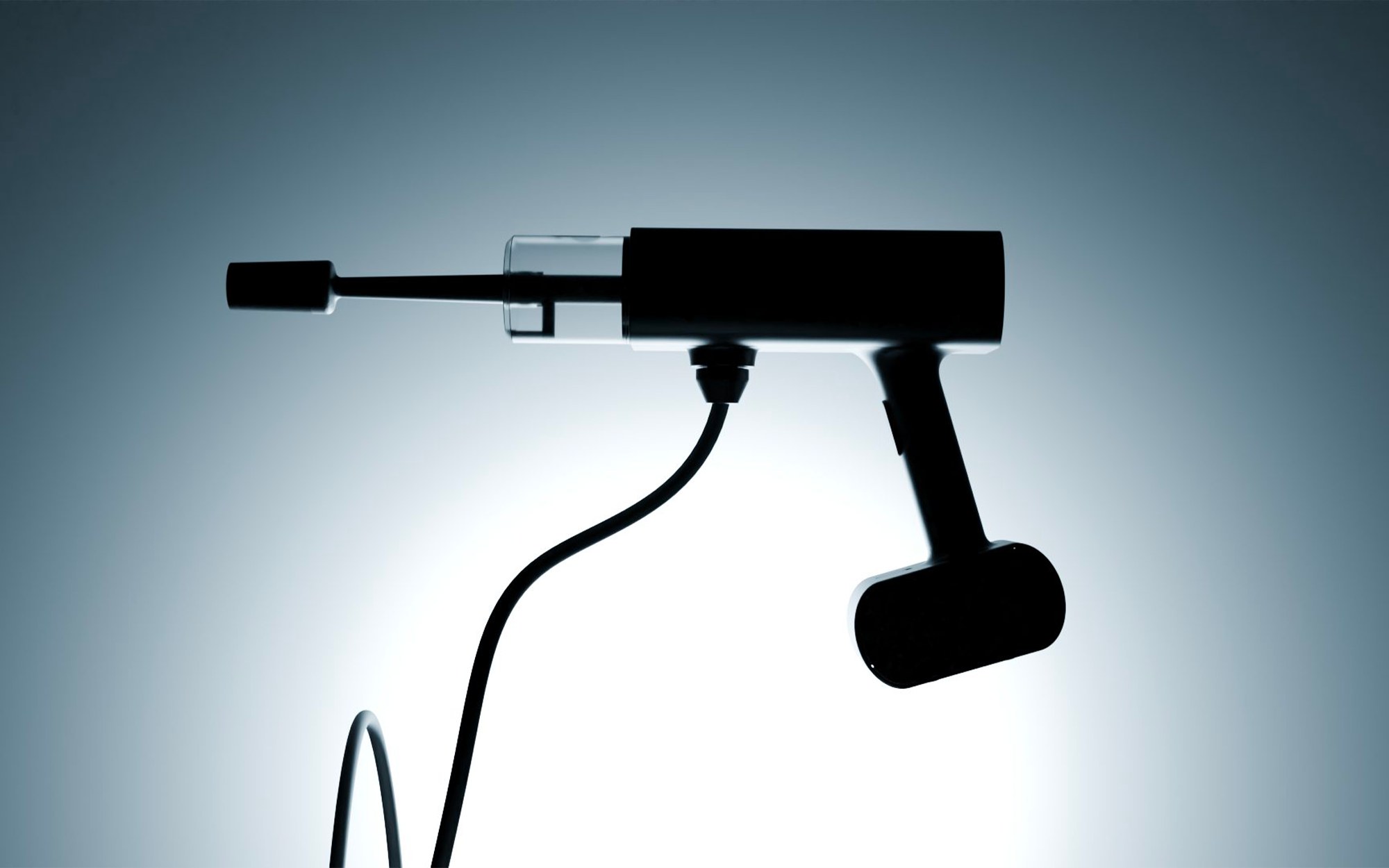
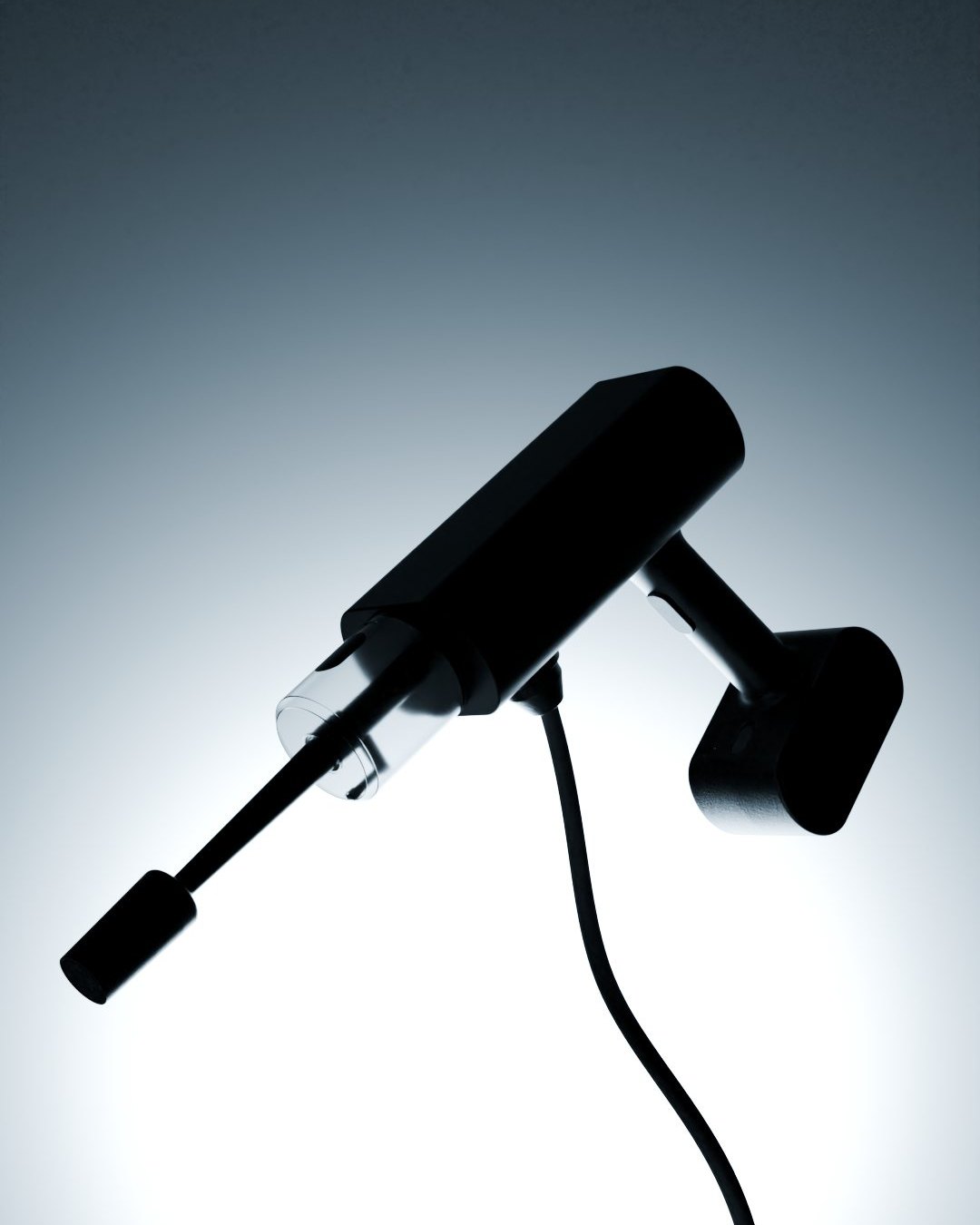
Nami means wave
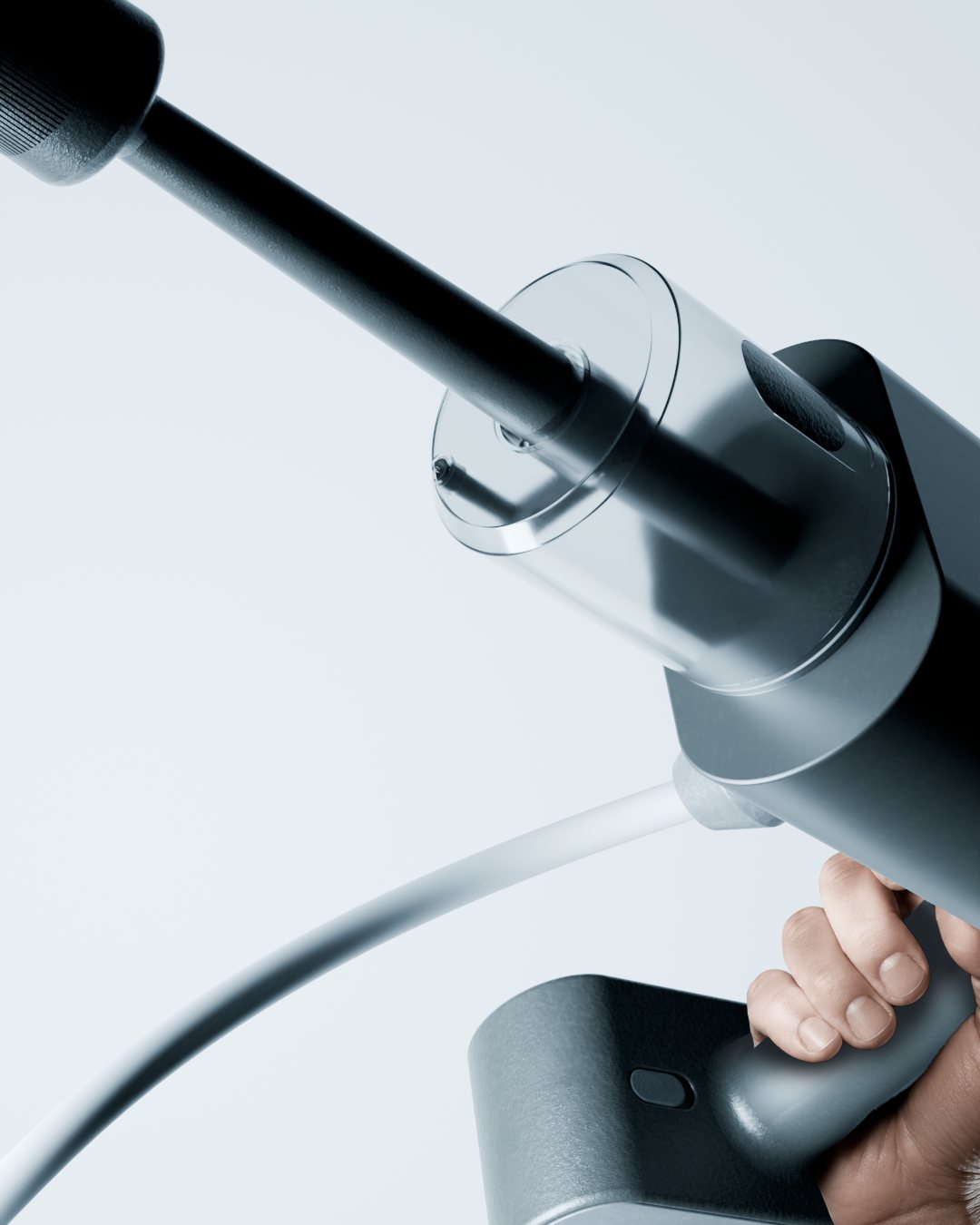
Nami (波) is a portable cordless pressure washer designed for practicality, freedom of use and simplicity, in a compact, essential product that joins function and aesthetics. In Japanese nami means “wave” — usually a wave of water or of the sea — chosen to express the fluid, controlled movement of water.
- TypeHousehold appliance / tool
- MaterialsPLA, carbon-fibre PLA
- StrengthsModularity, materials
Three things the original could not do
-
01
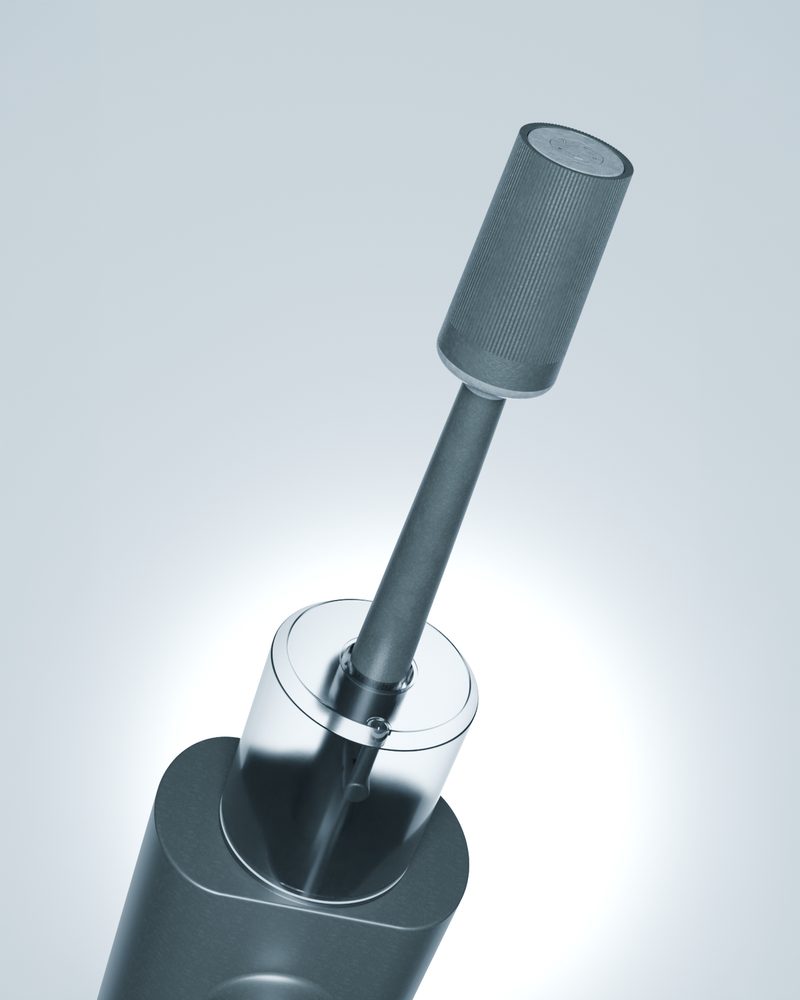
Integrated reservoir
Detergent stored inside the main housing, its level visible through the transparent body.
-
02
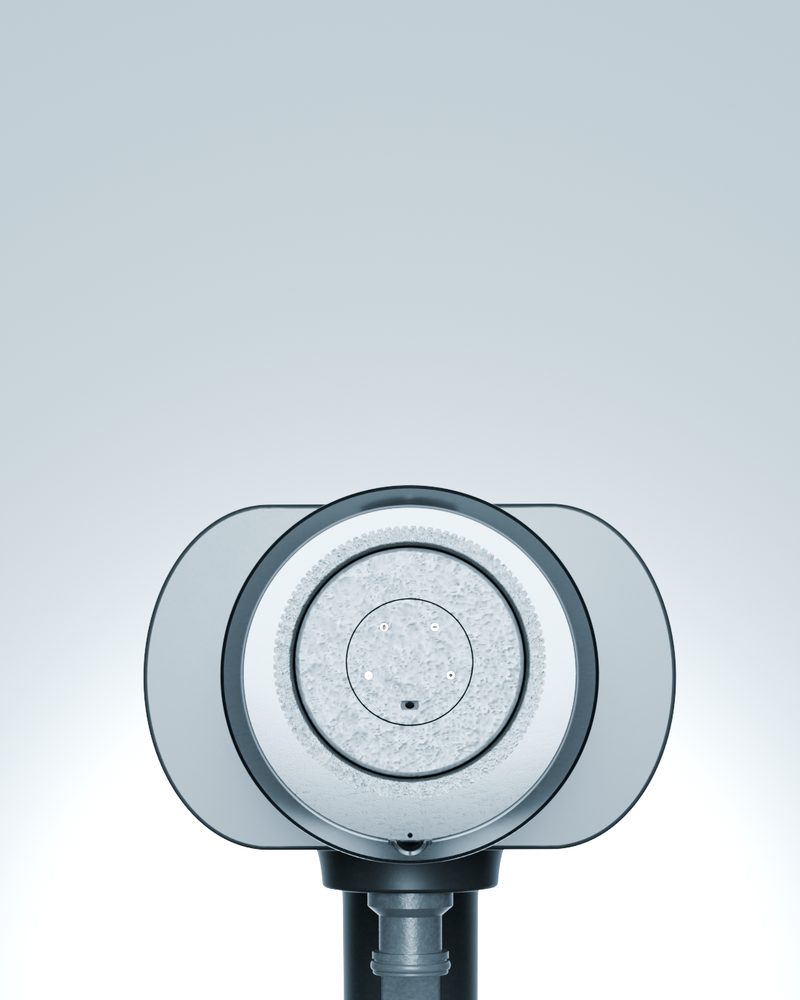
Multi-pattern nozzle
One nozzle, several spray configurations for different cleaning jobs.
-
03
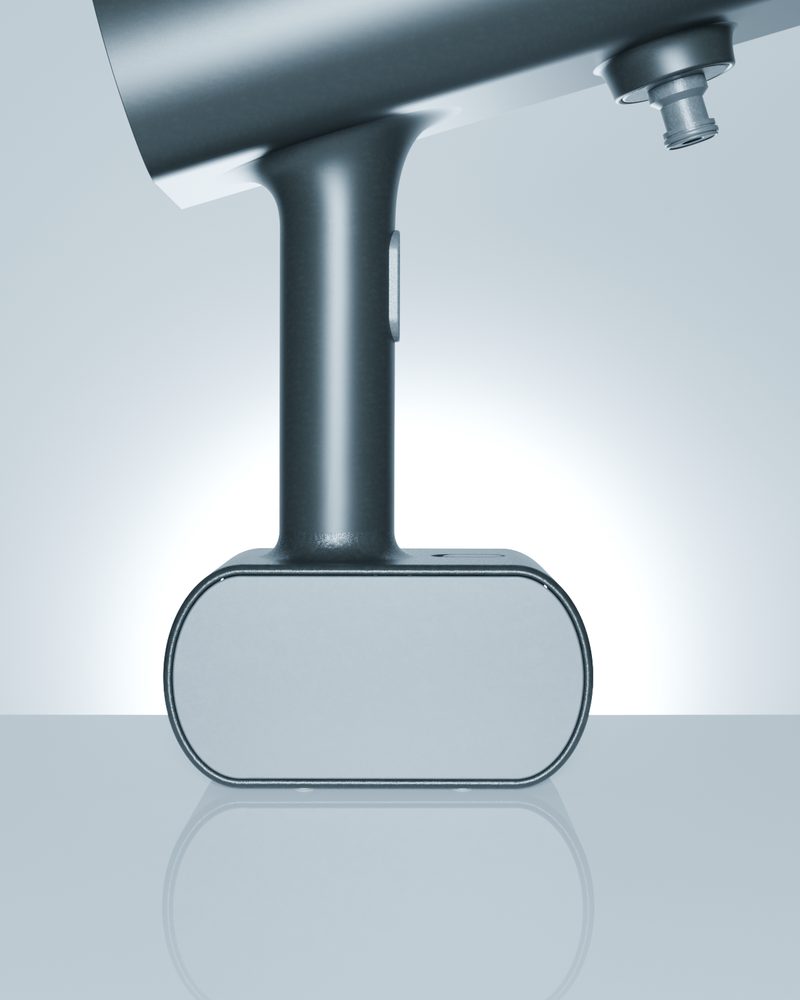
Integrated battery
Battery and charging port built into the body and sealed against water.
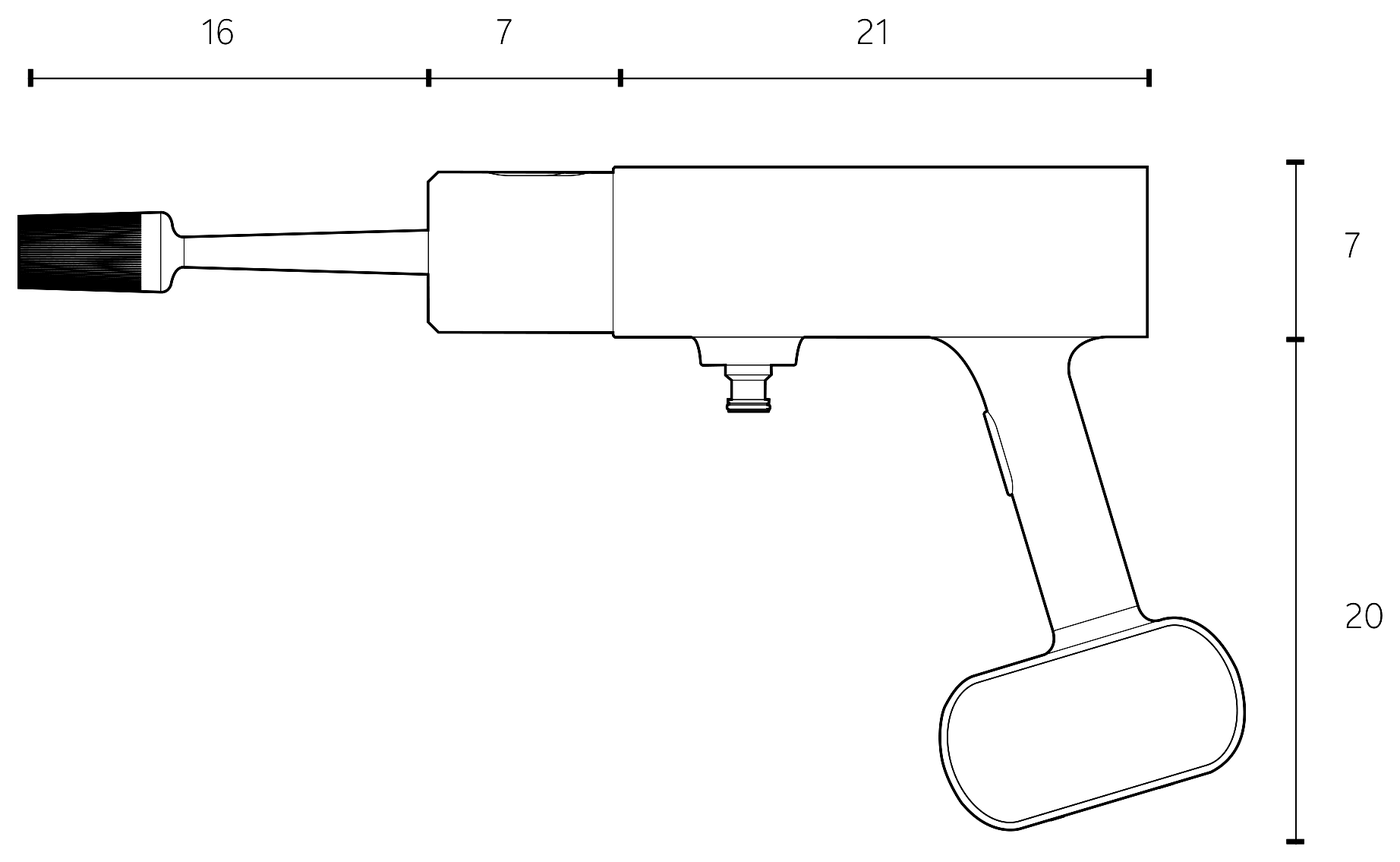
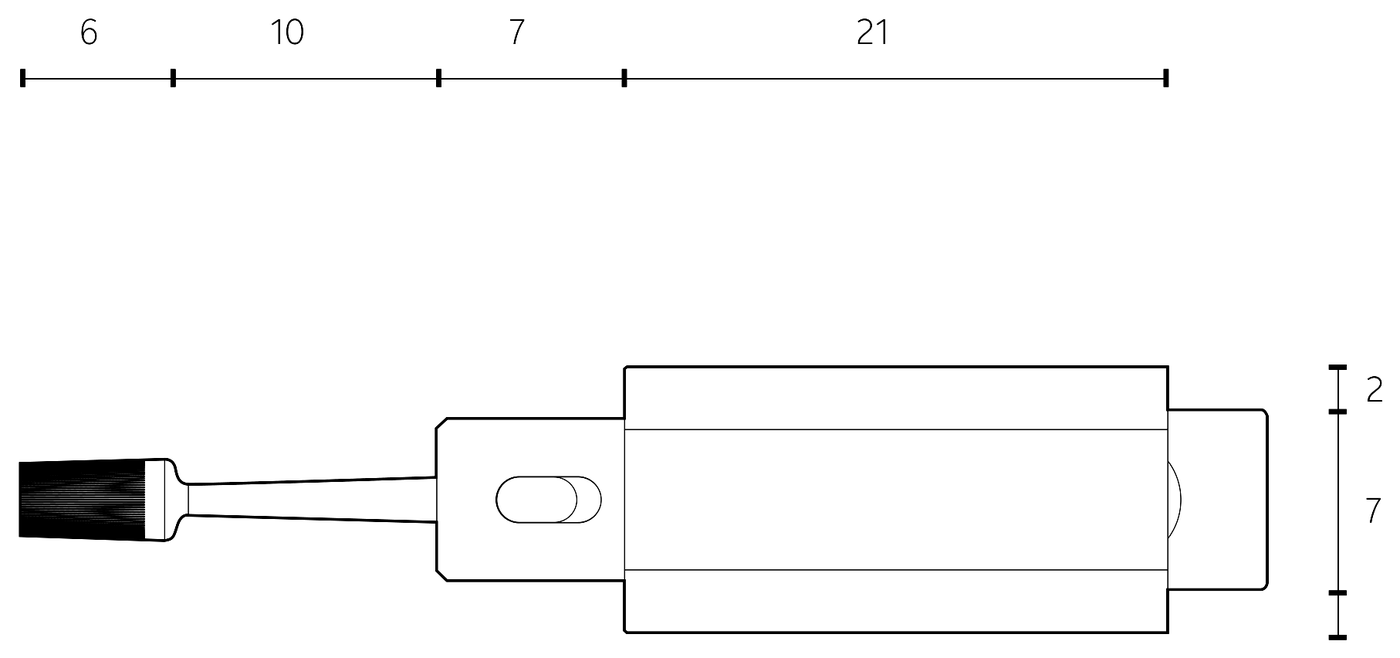
Minimal design
Every dimension, in centimetres, is studied to be efficient and to answer the brief as well as possible.
- Compact architectureOptimised layout, reduced volume
- MaterialsInjection-moulded plastics and technical parts
- Minimal + functionalEvery element has a precise role
- CordlessPortable, practical, always ready
- Design for productionBuilt for efficient mass production
- Contemporary aestheticEssential forms, balanced proportions
“Clean forms, balanced proportions, cordless freedom.”
No screws in sight
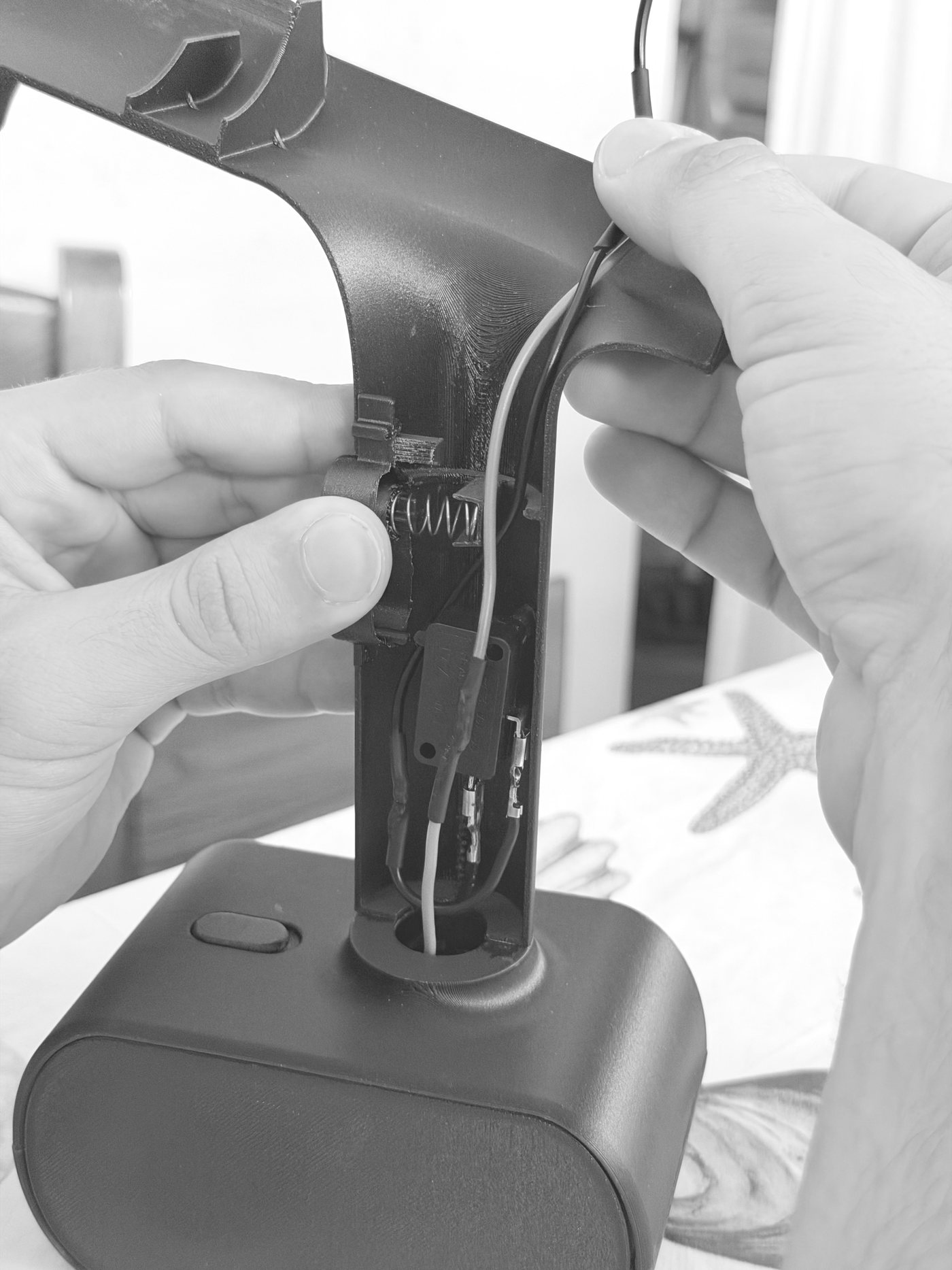
The object is designed without visible screws, with a system of internal fixings: it is assembled with hidden screws and press fits between the parts.
- Visible screwsNone
- FixingsHidden screws
- JointsPress fits between components
From 3D printing to injection moulding
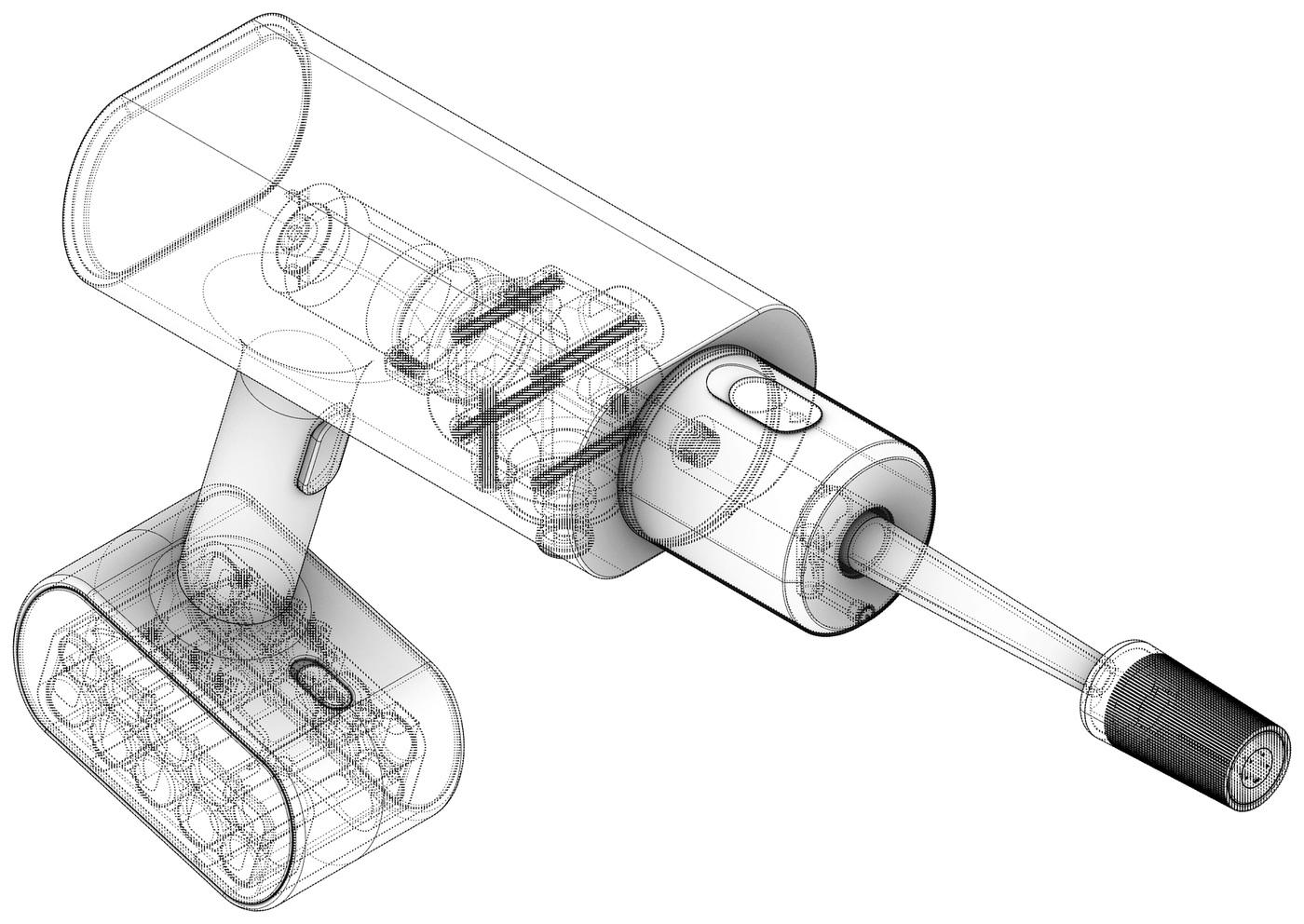
The first model was made for 3D printing, without the limits of injection moulding — undercuts, specific joining systems. A second pass checked it for manufacturability: undercuts removed, every part made compatible with the process, and threads, screw bosses and ribs added for a sturdier assembly.
- 01Nozzle
- 02Jet channel
- 03Water pipe
- 04Detergent tank
- 05Top main casing
- 06Detergent tank cap
- 07Bottom main casing
- 08Venturi tube
- 09Electric motor
- 10Screws
- 11Bottom casing
- 12Power switch
Inside and out
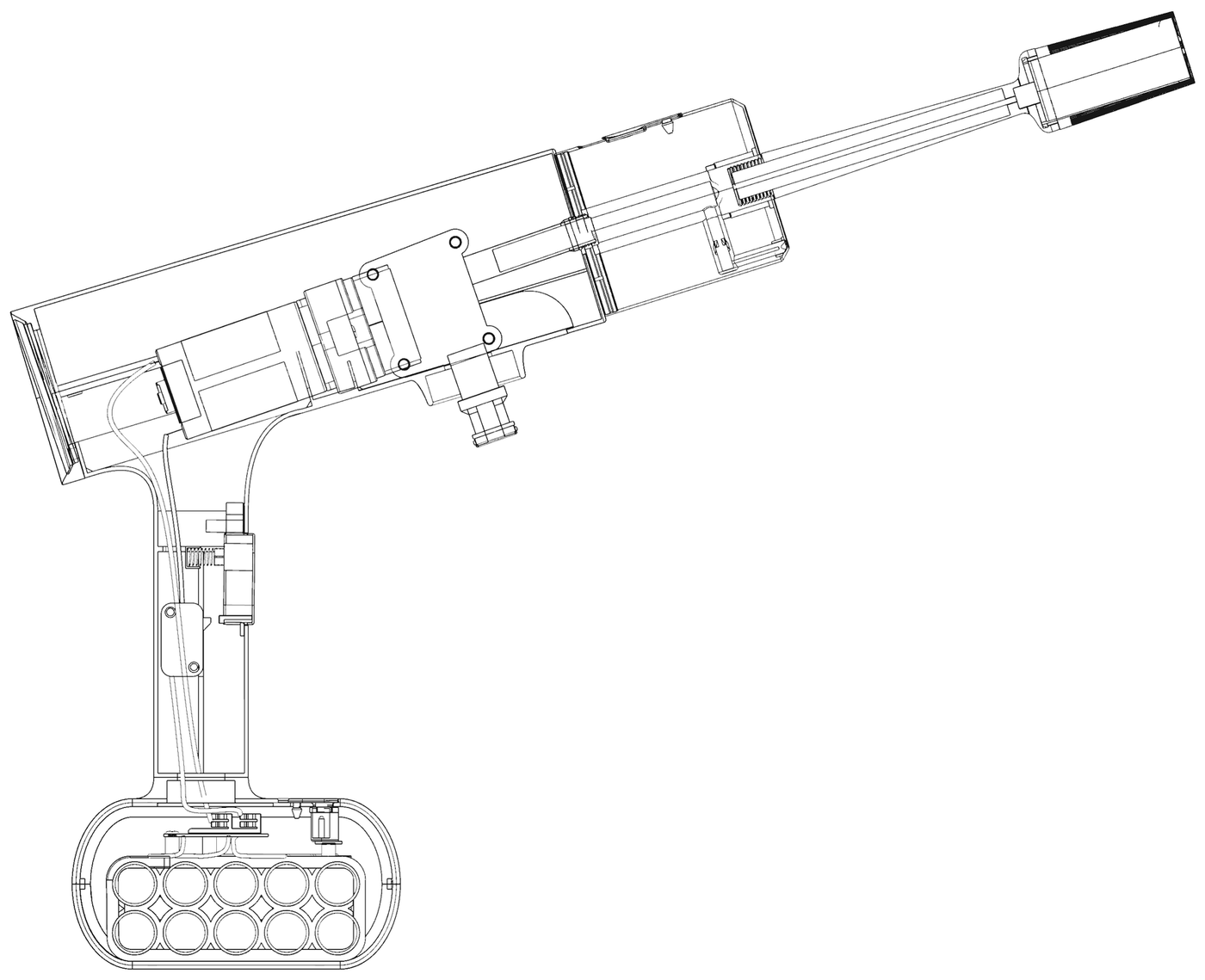
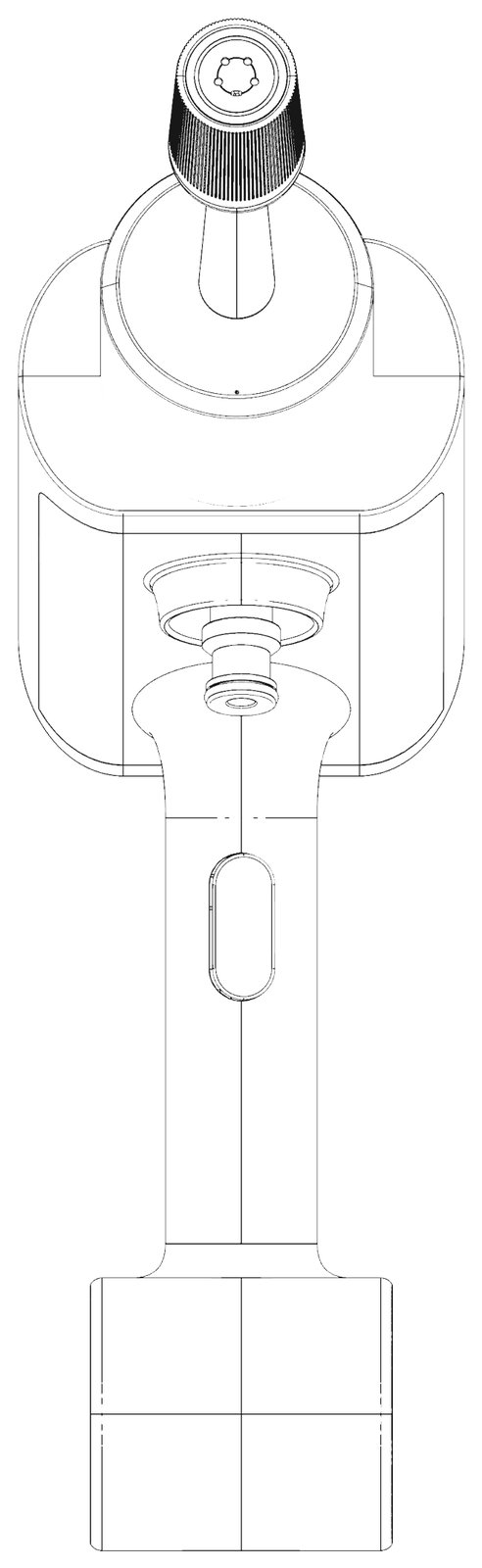
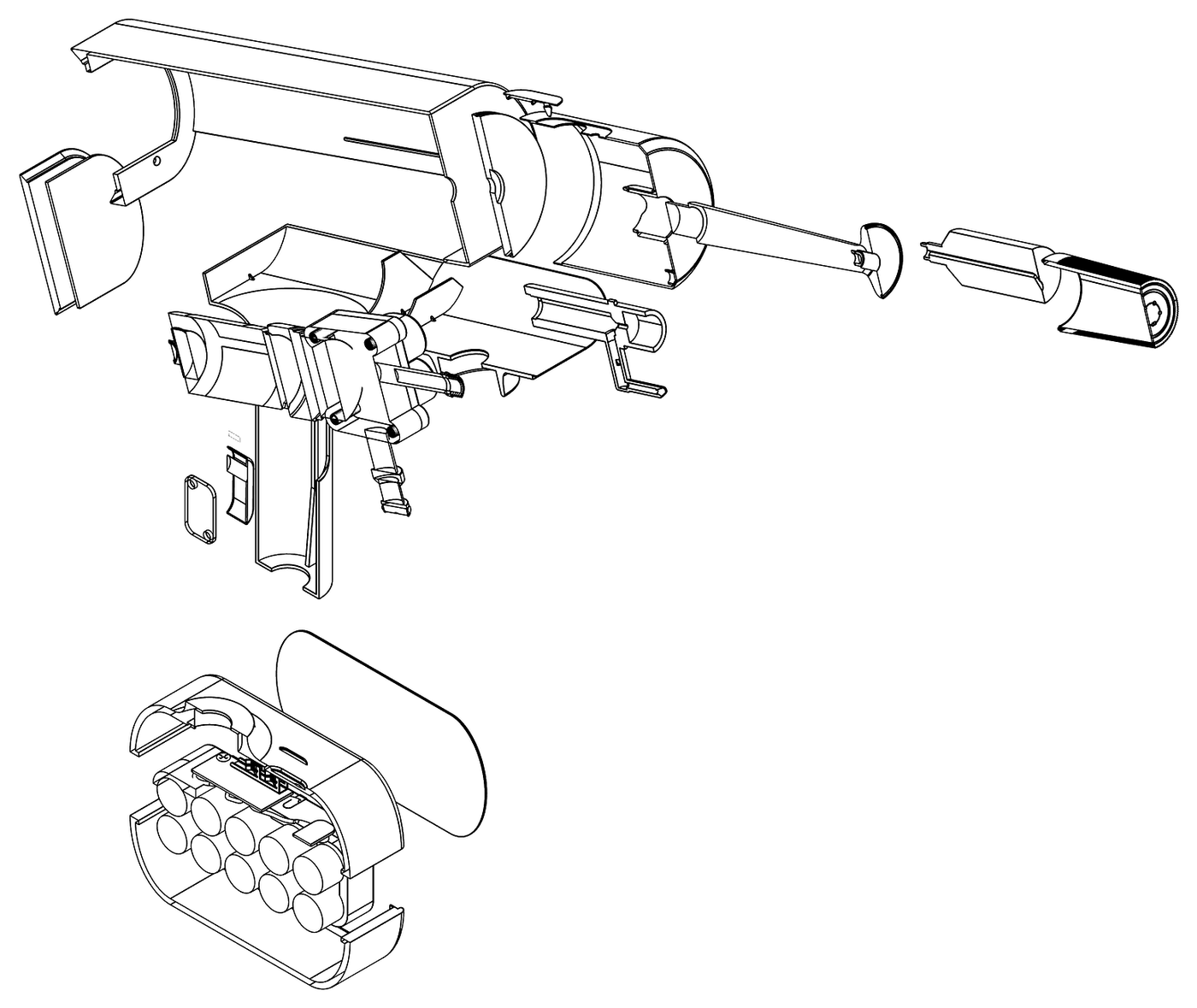
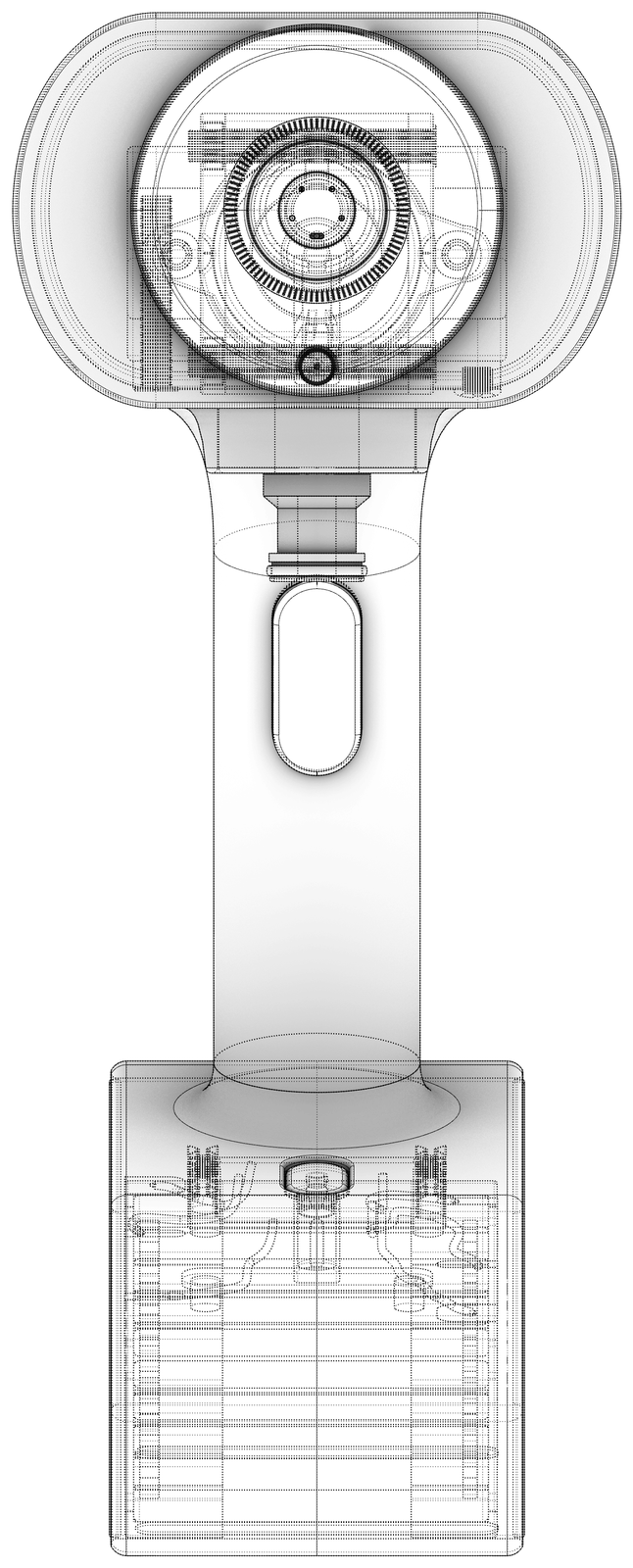
The isometric section shows the difference between the parts designed for 3D printing and those optimised for injection moulding — the water lance, for one, is solid in the 3D model and redesigned for the industrial process.
- SectionIsometric, by component
- ViewsSide, front, transparency
- UnitsMillimetres
Printed, assembled, tested
Once modelling and optimisation were complete, the physical prototype was 3D printed. The main structure is in carbon-fibre PLA, for higher mechanical strength and stability during use and testing; test pieces in transparent PLA were printed to check fits and tolerances between the parts.
- StructureCarbon-fibre PLA
- Test piecesTransparent PLA
- CheckedFits and tolerances